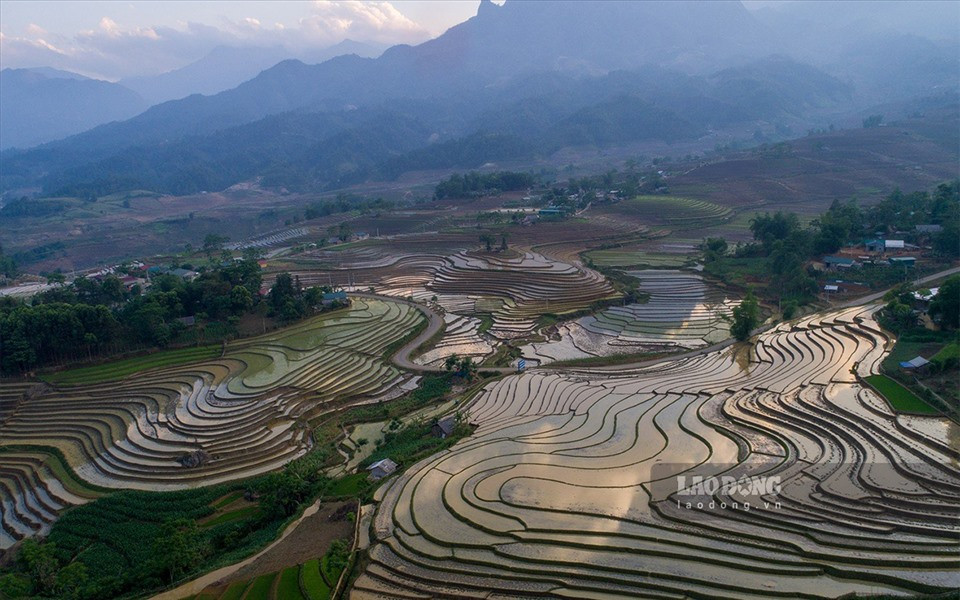
As the intense summer rains gradually subside and September arrives, Sapa undergoes perhaps its most dramatic and photogenic transformation of the year. Autumn in this northern Vietnamese highland region—spanning roughly from September through November—brings visitors a sensory feast characterized by golden landscapes, gentle weather, and harvest celebrations that showcase the area's cultural heritage at its most vibrant.
A Landscape Painted in Gold
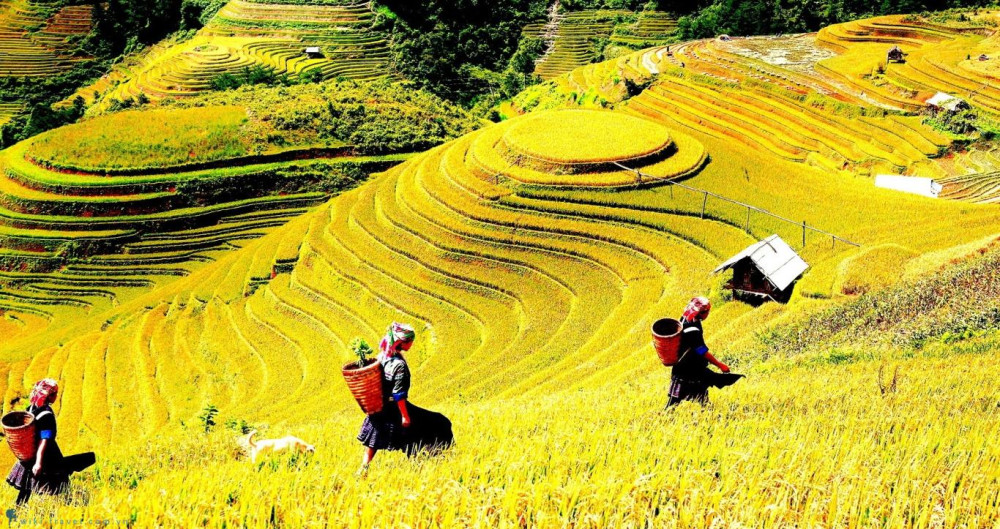
Autumn heralds Sapa's most visually stunning season as the cascading rice terraces ripen into a breathtaking tapestry of gold. What began as tender green shoots in spring and matured through summer now transforms into an undulating sea of amber and honey hues. This golden metamorphosis begins in September at higher elevations and gradually descends the mountainsides through October, creating a weeks-long spectacle that draws photographers from around the world.
The terraced fields—masterpieces of agricultural engineering built over centuries by the region's ethnic minorities—take on an almost ethereal quality during this season. Morning mist weaves through the golden steps, while afternoon sunlight sets them ablaze with metallic brilliance. The contrast between harvested and unharvested sections creates natural patterns across the mountains, resembling an intricate patchwork quilt draped over the landscape.
Beyond the rice terraces, autumn paints Sapa's forests in complementary colors. While not as brilliantly red as North American or European deciduous forests, the mountains still display subtle color shifts as certain tree species take on russet and copper tones. Against this backdrop, the region's perennial bamboo forests provide vibrant green accents, creating a naturally balanced color palette.
.jpg)
Harvest Time: A Living Cultural Heritage
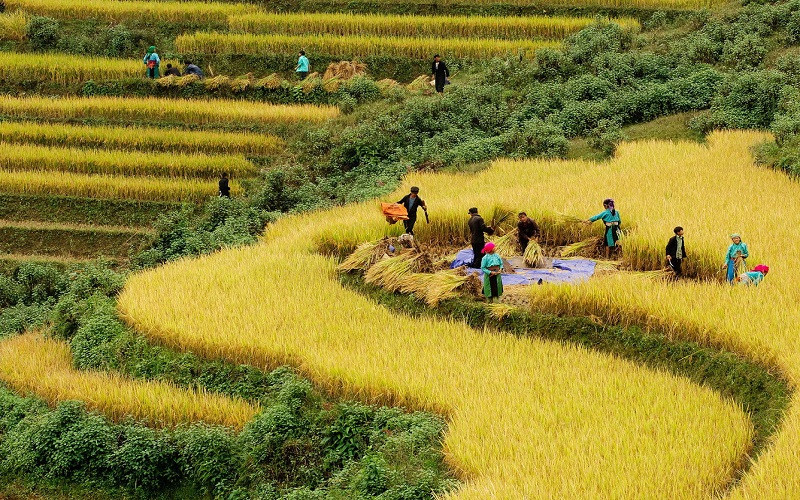
Autumn in Sapa isn't merely about spectacular views—it's a time to witness living agricultural traditions that have sustained mountain communities for countless generations. The rice harvest, typically beginning in late September and continuing through October, transforms the terraced landscape into a hub of activity as entire families and villages mobilize for this crucial annual event.
Early mornings find farmers heading to their fields, traditional tools in hand. Women wielding curved sickles harvest rice stalks by hand, binding them into sheaves that dot the terraces like golden sentinels. Men carry heavy loads of harvested rice from fields to threshing areas using bamboo frames strapped to their backs. Children participate according to their abilities, learning skills passed down through generations.
The harvesting techniques vary slightly between ethnic groups. H'mong families often work their own plots independently, while Red Dao communities sometimes practice collective harvesting, moving as a group from one family's fields to another's in a cooperative system that builds community bonds.
Visitors who venture beyond the main tourist areas can witness (and sometimes join) traditional threshing methods where rice sheaves are beaten against wooden frames to separate grain from stalks, or observe winnowing techniques using large bamboo baskets that allow women to separate rice grains from chaff with practiced tosses that utilize the autumn breezes.
Perfect Weather for Exploration
Autumn delivers Sapa's most reliable and comfortable weather. The intense summer downpours give way to gentler, more predictable patterns with rainfall typically limited to occasional light showers. Temperatures create an ideal trekking climate, with daytime readings generally ranging from 15°C to 20°C (59°F to 68°F)—warm enough for comfort yet cool enough to prevent overheating during physical activity.
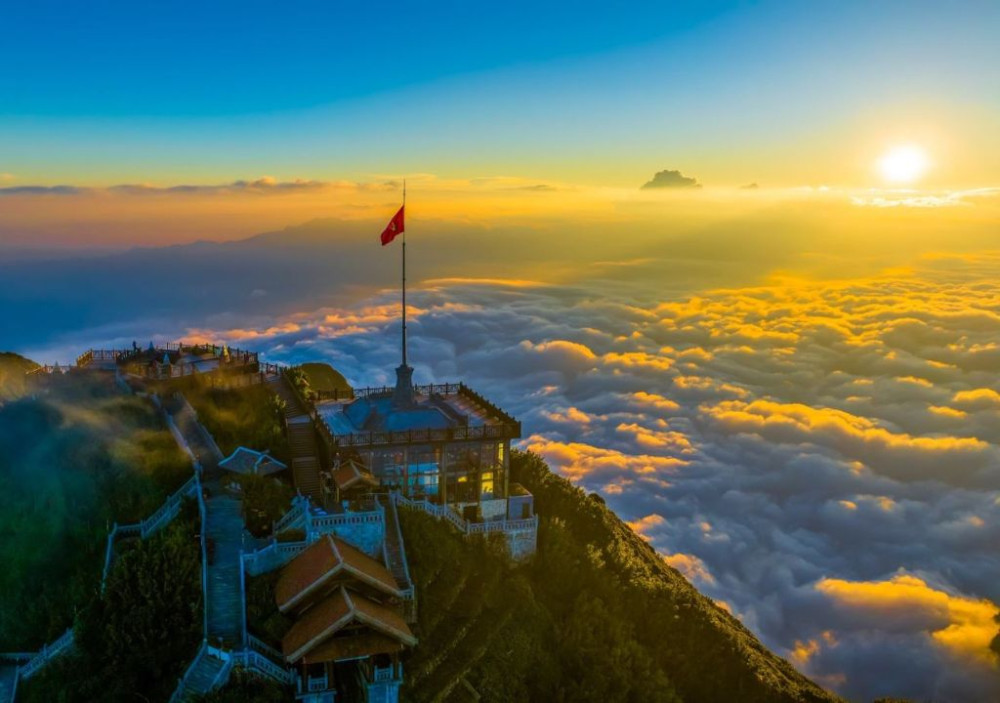
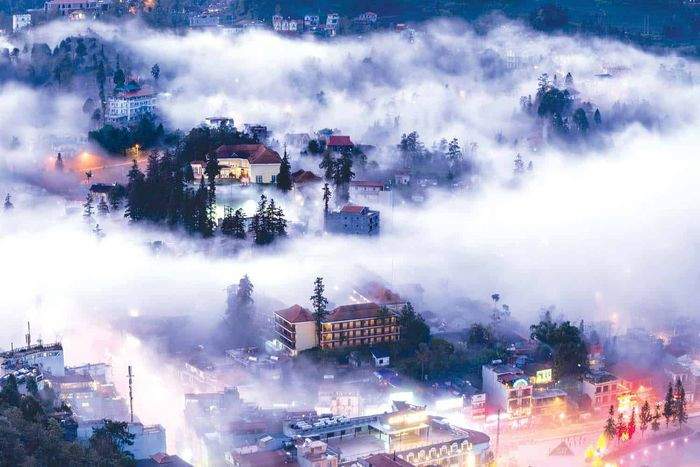
Morning mists remain a signature feature, creating the famous "sea of clouds" effect that draws photographers to viewpoints like Ô Quý Hồ Pass and Heaven's Gate soon after sunrise. Unlike summer, however, these mists typically burn off by mid-morning, revealing clear skies that afford spectacular views of distant peaks including Mount Fansipan—Indochina's highest mountain at 3,143 meters.
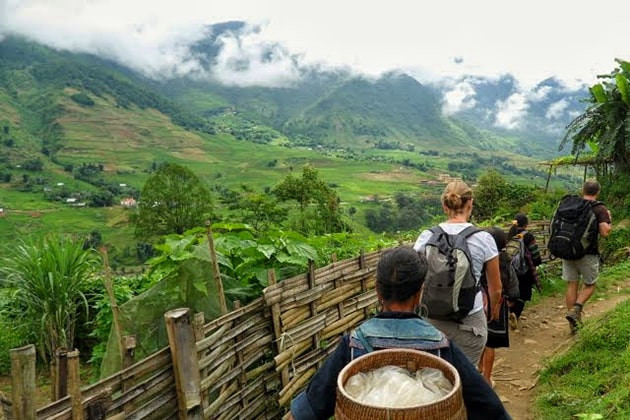
The stable weather opens possibilities for more ambitious trekking routes that might be impractical during rainy or cold seasons. Multi-day treks between remote villages become increasingly popular, allowing visitors to experience different ethnic communities and varied landscapes while enjoying comfortable overnight temperatures in homestays.
Festivals and Cultural Celebrations
Autumn's agricultural abundance generates numerous cultural celebrations throughout the region. The exact timing of these events typically follows the lunar calendar and varies slightly from year to year, but autumn generally offers the greatest concentration of festivals and ceremonies.
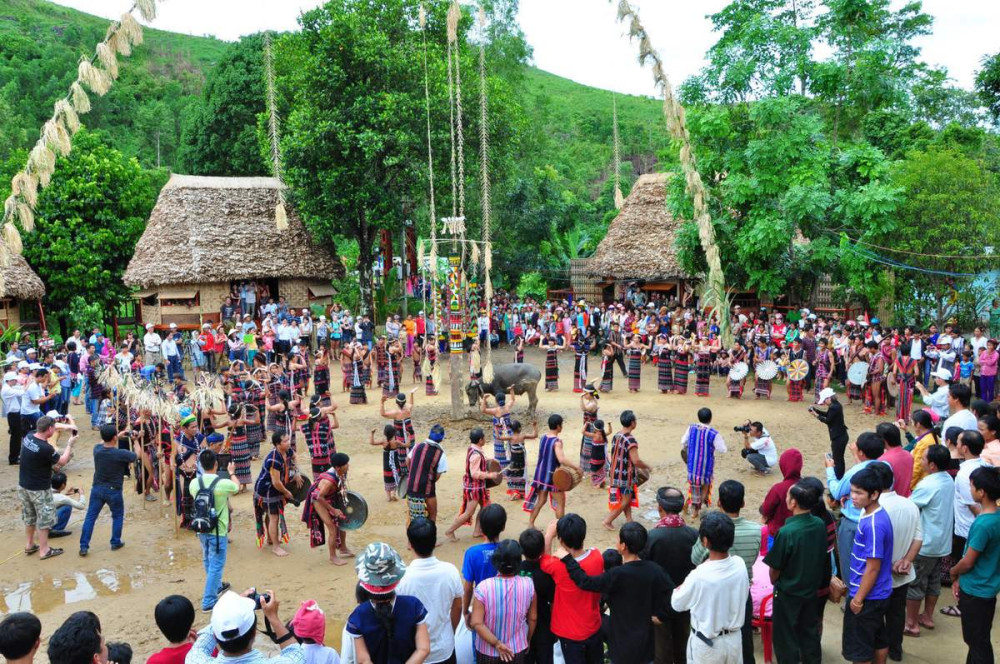
The most significant is the "New Rice" celebration held in many villages after the harvest is complete. Each ethnic group has their own variation of this important event, but common elements include ritual offerings to ancestral spirits, communal feasts featuring newly harvested rice, and traditional music and dance performances. For the Red Dao people, this may involve spiritual ceremonies led by local shamans, while H'mong communities often feature courting rituals where young people exchange songs and traditional ball-tossing games.
October typically brings the Xa Pho ethnic group's New Year celebration (distinct from the more widely known Tết observed in winter), featuring buffalo sacrifices, ancestor worship ceremonies, and community feasts that visitors may be invited to join if staying in local homestays.
The season's favorable weather also makes autumn the preferred time for important life events in many communities. Weekend visitors might encounter wedding celebrations—elaborate multi-day affairs involving complex rituals, enormous feasts, and traditional music performed on instruments like the khèn (a bamboo mouth organ) or tính tẩu (a two-stringed fiddle).
Culinary Treasures of the Harvest
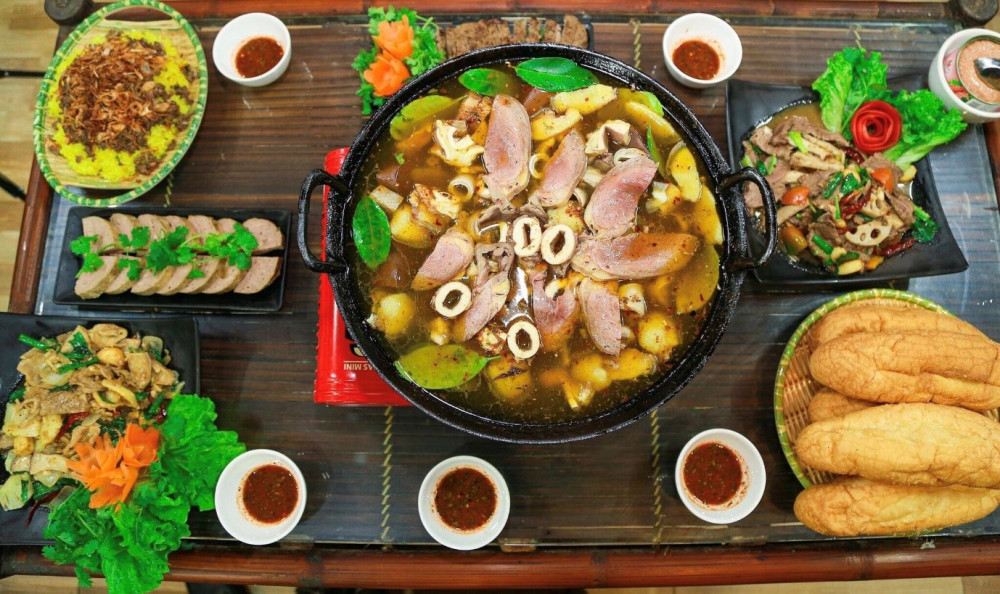
Autumn elevates Sapa's already impressive culinary scene with the year's freshest ingredients and harvest-specific specialties. The newly harvested "new rice" (cơm mới) is celebrated for its distinctive aroma and flavor—often served simply steamed to highlight its natural qualities or incorporated into traditional cakes wrapped in banana leaves.
Markets overflow with autumn's bounty: mushrooms foraged from mountain forests, freshly harvested corn, unique mountain herbs, and specialty items like honey collected from wild bees. The Black H'mong people produce a distinctive black sticky rice with a nutty flavor that features prominently in autumn dishes.
Traditional autumn specialties include dishes like thắng cố (a spiced stew historically made with horse meat but now often prepared with beef or buffalo for tourists), smoked meats preserved for the coming winter, and hearty soups featuring foraged mushrooms and mountain herbs.
Local alcoholic specialties also reach their peak in autumn. Rice wine (rượu) is produced with newly harvested grains, often infused with local herbs or forest fruits for medicinal purposes. In some villages, men gather to produce batches of this potent spirit using traditional distillation methods, resulting in both clear and flavored varieties that play important roles in autumn celebrations and hospitality rituals.
Textile Arts in Their Element
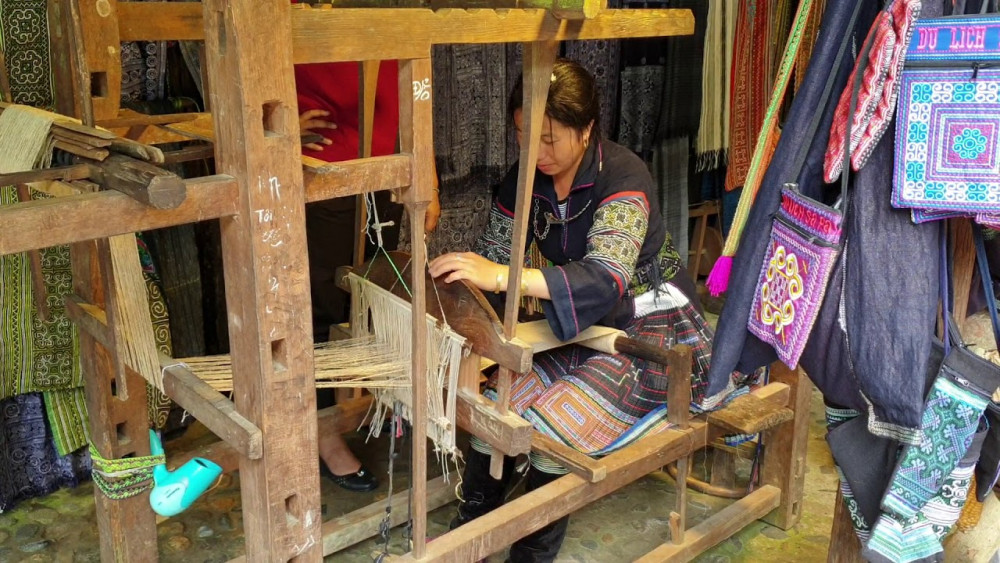
Autumn highlights the remarkable textile traditions of Sapa's ethnic minorities, particularly the H'mong who are renowned for their indigo-dyed hemp cloth adorned with intricate batik and embroidery. The harvest season traditionally provides more time for women to focus on textile production after the intense agricultural work subsides.
Visitors can observe the entire traditional process: hemp being stripped and prepared for spinning, natural indigo dye being extracted from local plants, batik designs being applied with beeswax, and embroidery techniques being practiced with colored threads. The autumn light particularly enhances the deep blues of traditional H'mong clothing against the golden background of harvested fields.
Many women supplement their agricultural income by selling textiles to visitors, and autumn brings some of the finest examples as artisans have time to create more elaborate pieces. For those interested in genuine handicrafts rather than factory-made imitations, autumn offers excellent shopping opportunities directly from producers.
Trekking Through the Golden Landscape
Autumn creates ideal conditions for exploring Sapa's network of trekking routes. Popular paths connecting villages like Cat Cat, Ta Van, and Lao Chai transform during this season, winding through golden terraces rather than summer's emerald fields.
The famous Muong Hoa Valley trek—a relatively accessible route suitable for moderate fitness levels—reaches its scenic peak in autumn. The path follows the Muong Hoa River through a valley flanked by terraced mountains, connecting several minority villages while offering continuous panoramic views.
For more adventurous travelers, the Ta Phin Valley circuit provides opportunities to encounter both Red Dao and Black H'mong communities within a more challenging route. The autumn weather allows for comfortable trekking even on exposed mountain ridges that might be dangerously hot in summer or bitingly cold in winter.
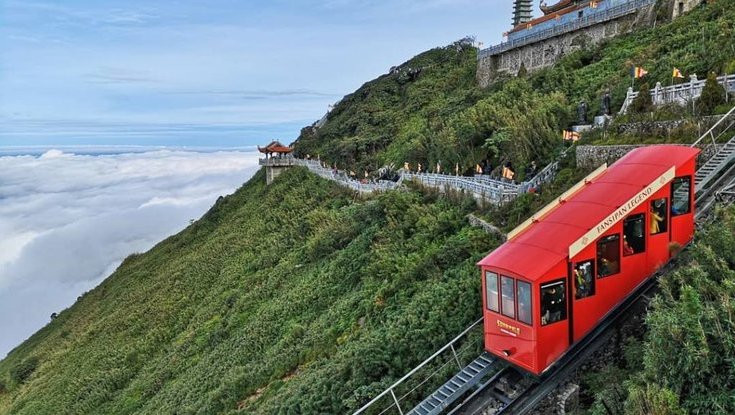
Mount Fansipan, Vietnam's highest peak, sees increased summit attempts during autumn. While the cable car provides easy access year-round, traditional trekking routes become more manageable and rewarding during this season. The clearer autumn air offers superior summit visibility, sometimes extending all the way to the Chinese border on exceptionally clear days.
Practical Considerations for Autumn Visitors
Autumn has rightfully earned its reputation as Sapa's high season, meaning advance booking becomes essential for preferred accommodations, especially on weekends when domestic tourism increases. The town's popularity with Vietnamese tourists peaks during this season, particularly around national holidays.
Layered clothing serves visitors best, as temperature variations between morning, afternoon, and evening can be significant. Early mornings may require light jackets or sweaters, while midday often allows for t-shirts or light garments, especially during physical activities like trekking.
Transportation options remain consistent with other seasons: overnight trains from Hanoi to Lao Cai station followed by a one-hour road transfer to Sapa, or direct buses making the journey in approximately 5-6 hours. Domestic flights to nearby Lao Cai airport, opened in recent years, provide a faster option for those with limited time.
The increased visitor numbers make hiring guides advisable for those seeking to explore beyond the most popular routes. Local guides—often from minority communities themselves—provide not only navigation but cultural context and sometimes access to family homes and community events that would remain closed to independent travelers.
Photography in the Golden Season
For photography enthusiasts, autumn represents Sapa's uncontested prime season. The combination of dramatic landscapes, cultural activities, and favorable light conditions creates endless opportunities for memorable images.
Early mornings offer the most magical light, as sunrise illuminates mist-filled valleys and gradually reveals the golden terraces. Photographers gather at strategic viewpoints like Ô Quý Hồ Pass or the bamboo forest viewpoint above Muong Hoa Valley, often arriving before dawn to secure prime positions.
The harvest itself provides compelling photographic subjects as farmers in traditional dress work against the backdrop of golden fields. These activities create authentic opportunities to capture both landscape and cultural imagery in a single frame.
Throughout the region, traditional villages with their distinctive architecture—from the wooden stilt houses of the Tay people to the earthen-walled dwellings of certain H'mong communities—stand in complementary contrast to the golden fields surrounding them, creating balanced compositions that celebrate both natural and cultural heritage.

Beyond Mainstream Tourism
While Sapa town and its immediately surrounding villages experience heavy tourism during autumn, more adventurous travelers can find less-visited areas that offer similar scenic beauty with fewer crowds. The Tram Ton Pass area, Y Ty village, and the more remote sections of Muong Khuong district provide alternatives with their own terraced landscapes and authentic cultural experiences.
Community-based tourism initiatives have developed in several more remote villages, offering structured experiences that benefit local communities directly while providing visitors with deeper cultural engagement. These programs often include guided village tours, participation in seasonal activities, craft demonstrations, and homestays with families eager to share their way of life.
For those seeking a more immersive experience, volunteer opportunities occasionally become available during the harvest season, allowing visitors to participate in agricultural work alongside local families in exchange for cultural experiences and knowledge sharing.
.jpg)
The Ephemeral Beauty of Transition
What makes autumn in Sapa particularly special is its transitory nature. The golden terraces don't remain static—they change daily as harvesting progresses across the landscape. What appears as a solid golden hillside one day may be partially harvested the next, creating new patterns and textures that evolve throughout the season.
This constant state of transformation reminds visitors that they're witnessing not simply a beautiful landscape but a living agricultural system that sustains thousands of people. The terraces represent both cultural heritage and contemporary livelihood—a working landscape rather than a static attraction.
As October transitions to November, harvesting completes across all but the lowest elevations. Fields are cleared, and in some areas, winter crops are planted. The cycle of cultivation continues even as the tourist high season begins to wane, reminding us that Sapa's stunning vistas exist primarily not for visitors' cameras but for the sustenance of the communities who have shaped these mountains over countless generations.
A Time of Balance and Abundance
Autumn represents Sapa at its most balanced—temperatures neither too hot nor too cold, precipitation neither too heavy nor too scarce, landscapes neither too sparse nor too overgrown. This equilibrium creates ideal conditions not just for tourism but for appreciating the harmonious relationship between the region's peoples and their environment.
The seasonal abundance visibly demonstrates the effectiveness of traditional agricultural knowledge adapted specifically to these mountains. Techniques for terracing, irrigation, crop selection, and harvesting—developed over centuries of trial and error—produce remarkable yields from terrain that might otherwise seem unsuitable for intensive agriculture.
For visitors, autumn in Sapa offers more than spectacular views or cultural encounters—it provides insight into sustainable mountain livelihoods that have maintained both community and environment in relative balance for generations. In an era of climate uncertainty and agricultural industrialization, these traditional systems offer valuable lessons in resilience and environmental adaptation.
The golden terraces of autumn Sapa thus represent not just a photographer's dream or a trekker's paradise, but a living testament to human ingenuity and cultural wisdom—a golden season in every sense, abundant in both natural beauty and human heritage.