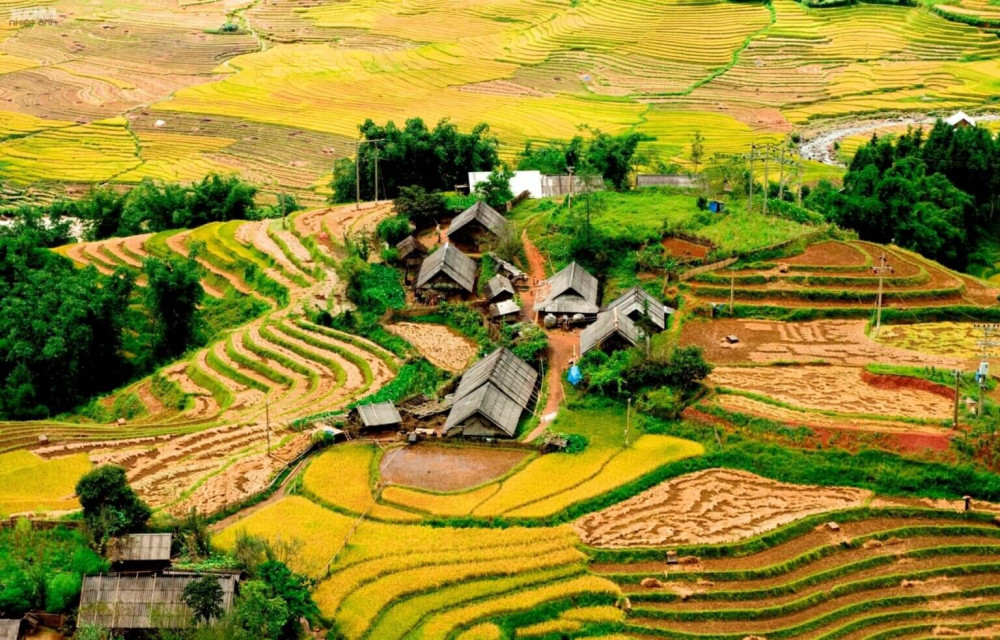
Spring arrives in Sapa like a painter slowly adding colors to a canvas. As winter's grip loosens from February to April, this mountainous region in northern Vietnam transforms into one of Southeast Asia's most captivating destinations. Nestled at an elevation of 1,600 meters in Vietnam's remote northwest, Sapa offers a springtime experience that combines breathtaking natural beauty, rich cultural heritage, and unforgettable adventures.
A Landscape Awakening
Spring in Sapa begins with a magical phenomenon known locally as "cloud hunting." As dawn breaks over the Hoàng Liên Son mountains, valleys fill with ethereal mist that clings to the terraced rice fields. These iconic agricultural terraces—carved into the mountainsides over centuries—begin their annual transformation. What were brown, dormant steps in winter gradually turn emerald green as farmers plant the season's first rice crops. The terraces, resembling giant staircases built for gods, create an undulating landscape that changes character with shifting light throughout the day.
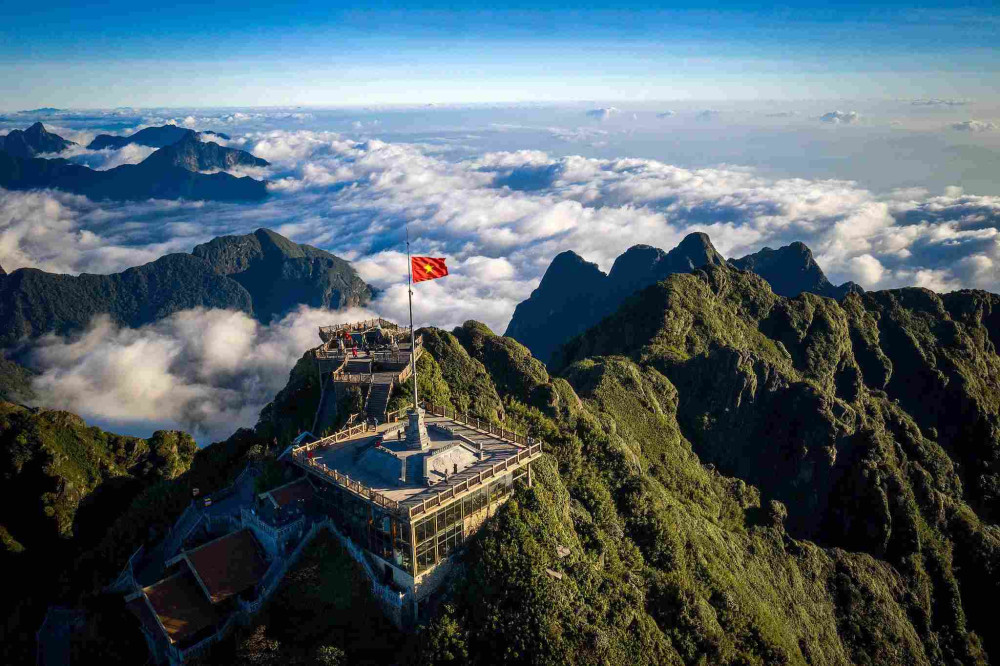
The jewel in Sapa's crown, Mount Fansipan, stands majestically at 3,143 meters. Known as the "Roof of Indochina," it's the highest peak in Vietnam, Laos, and Cambodia combined. In spring, experienced hikers can tackle the summit while enjoying clearer skies and moderate temperatures—typically ranging from 15°C to 20°C (59°F to 68°F). For those preferring a less strenuous journey, the Fansipan cable car whisks visitors to the top in just 15 minutes, offering panoramic views of cascading valleys and distant peaks that extend into southern China.
Waterfalls awaken with the spring thaw, and Sapa boasts several spectacular ones. Silver Waterfall (Thác Bạc) and Love Waterfall (Thác Tình Yêu) thunder with renewed vigor, their mists creating miniature rainbows in the sunlight. Nearby, pristine mountain streams cut through forests of cardamom and bamboo, inviting visitors to pause and appreciate the soundtrack of nature.
A Riot of Color
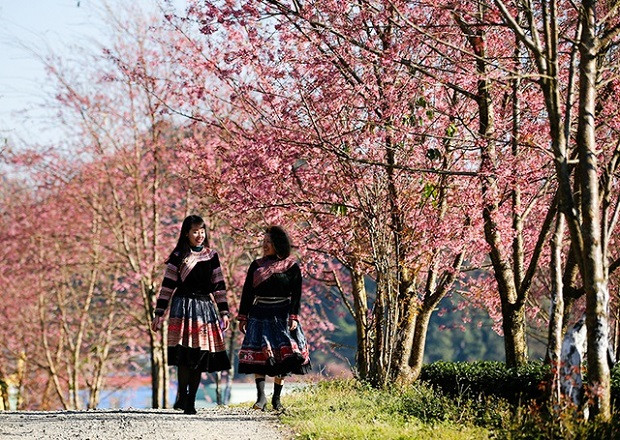
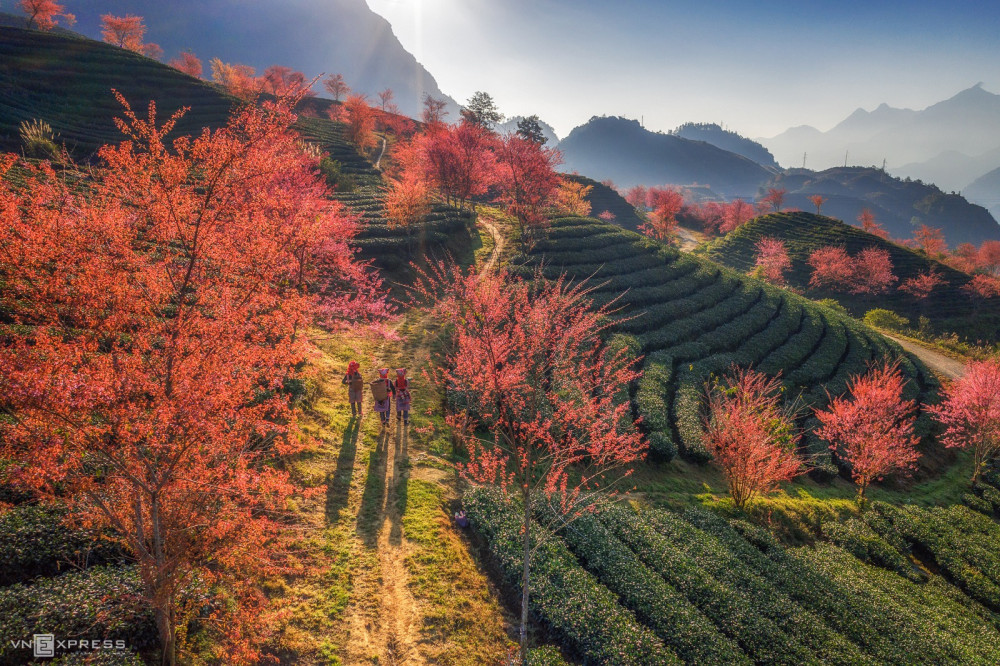
Spring transforms Sapa into a floral paradise. Peach and plum blossoms paint hillsides in delicate pinks and whites, while vibrant wild azaleas and rhododendrons burst forth in shades of purple, red, and yellow. The region's famous cherry trees bloom spectacularly, their pink blossoms creating a dreamy, almost surreal landscape that rivals Japan's more famous displays.
One of spring's most breathtaking sights is the blooming season of rape flowers (mustard flowers). From February to March, entire fields turn brilliant yellow, creating a stunning contrast against the green mountains and blue skies. The Tây Bắc is known as a special "flower season," with wild sunflowers, buckwheat, and countless other wildflowers dotting the landscape.
Market gardens come alive as well, with local farmers tending to a remarkable variety of temperate vegetables and herbs that thrive in the cooler mountain climate—a stark contrast to the tropical lowlands. Thanks to this unique growing environment, Sapa's spring season offers some of Vietnam's finest and freshest produce.
Cultural Tapestry
Spring is a time of festivals and renewal for the ethnic minority groups that call these mountains home. The region hosts several distinct peoples, including the H'mong, Red Dao, Tay, Giay, and Xa Pho. Each maintains their own language, traditional dress, and cultural practices despite centuries of outside influences.
The spring calendar includes numerous celebrations tied to agricultural cycles and ancestral worship. The most famous is the Gâu Tào Festival (held in February or March according to the lunar calendar), when H'mong people gather to give thanks for harvests, pray for good fortune, and seek romantic partners through traditional courtship rituals that include singing contests and ball tossing games.
Local women, master artisans in their own right, create intricate textiles using traditional indigo dyes, embroidery, and batik techniques passed down through generations. In spring, their colorful traditional clothing—featuring elaborate patterns representing clan identity and natural motifs—stands out vividly against the lush landscape. Visitors can observe these ancient crafts being practiced in villages like Cat Cat, Ta Phin, and Lao Chai.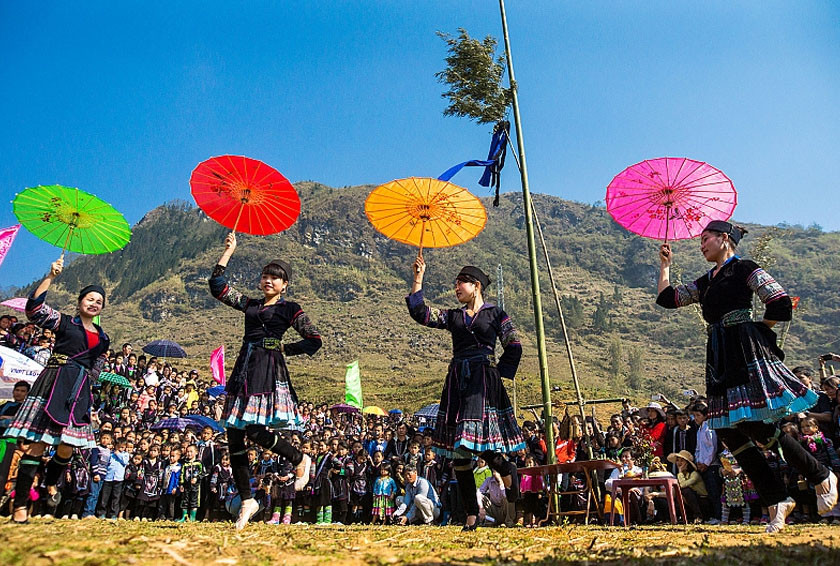
Culinary Delights
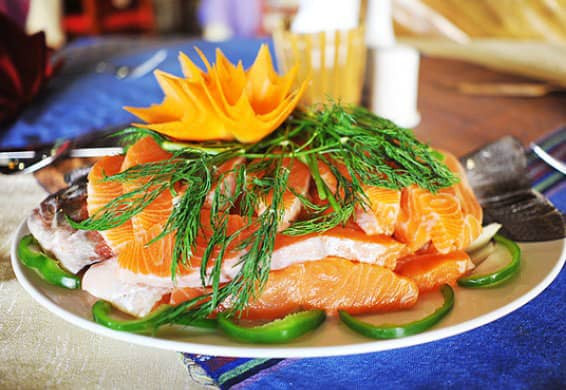
Spring brings a cornucopia of unique flavors to Sapa's tables. The cool mountain climate produces distinct ingredients rare in other parts of Vietnam, including "forest vegetables" foraged from the mountainsides. Local specialties include thắng cố (a hearty horse meat soup with over 12 different herbs), cá hồi (salmon farmed in the region's pure mountain streams), and lẩu (hot pot dishes featuring foraged mushrooms and mountain herbs).
Morning markets bustle with activity as ethnic minority women in full traditional dress bring freshly harvested produce from surrounding villages. The Sapa Market offers an authentic glimpse into local commerce, while providing opportunities to sample regional specialties like smoked meats, honey wine, and "love market cakes" made from sticky rice.
For the adventurous palate, spring also brings the season of rare mountain vegetables like fiddlehead ferns, banana flowers, and "cloud ear" mushrooms that feature prominently in local cuisine. Street food stalls serve steaming bowls of phở with distinctive northern highland flavors, while roadside barbecue stands grill skewers of marinated meats over open flames.
Practical Considerations
Spring offers ideal conditions for exploring Sapa, with several advantages over other seasons. Unlike summer's heavy rains and foggy conditions, or winter's occasional frost, spring provides relatively stable weather. Temperatures typically range from cool mornings (around 10°C/50°F) to pleasant afternoons (up to 25°C/77°F), making it perfect for trekking through the countryside.
Accommodation options range from luxury hotels with infinity pools overlooking the valleys to humble homestays in traditional stilt houses, where visitors can experience authentic family life complete with home-cooked meals and rice wine toasts around the hearth fire.
Reaching Sapa has become increasingly convenient in recent years. Most visitors take the overnight train from Hanoi to Lao Cai (an 8-hour journey), followed by a one-hour bus ride up winding mountain roads. The more time-efficient option is a direct 5-hour bus journey from Hanoi, though the train offers greater comfort for overnight travel.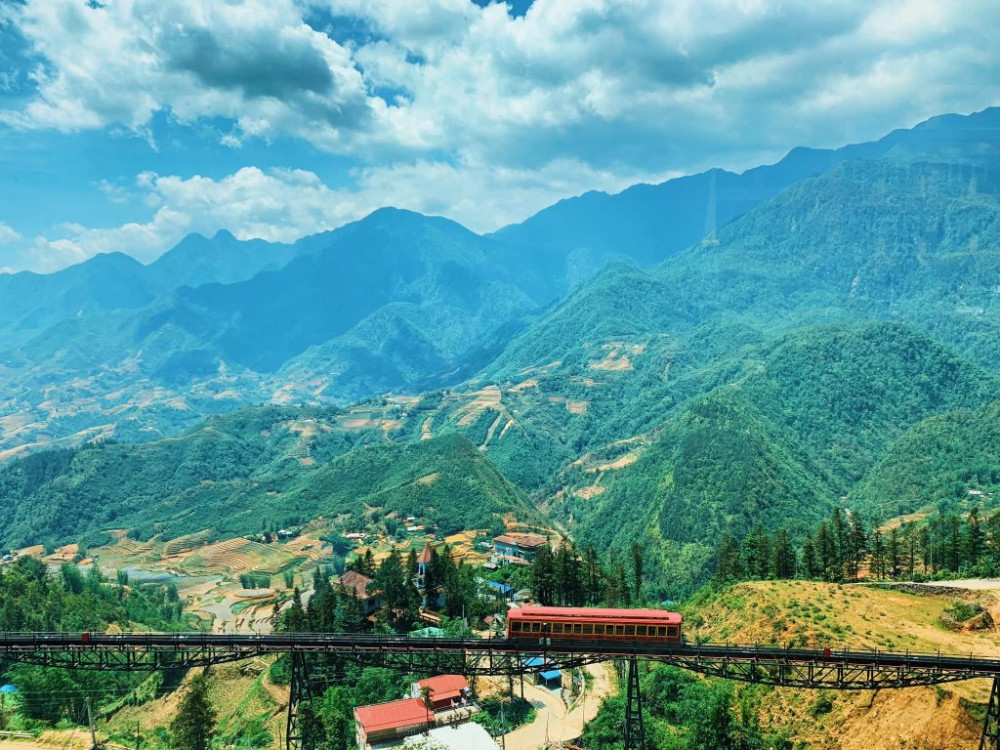
Responsible Tourism
As Sapa's popularity grows, thoughtful travelers are increasingly mindful of tourism's impact on local communities and environments. Spring visitors can contribute positively by hiring local guides (many young H'mong and Dao women speak excellent English), purchasing handicrafts directly from artisans, and respecting cultural norms when photographing people or visiting villages.
Several community-based tourism initiatives now offer authentic experiences while ensuring economic benefits flow to local families. These programs often include guided treks to less-visited villages, traditional craft workshops, and agricultural experiences like rice planting—particularly relevant during the spring growing season.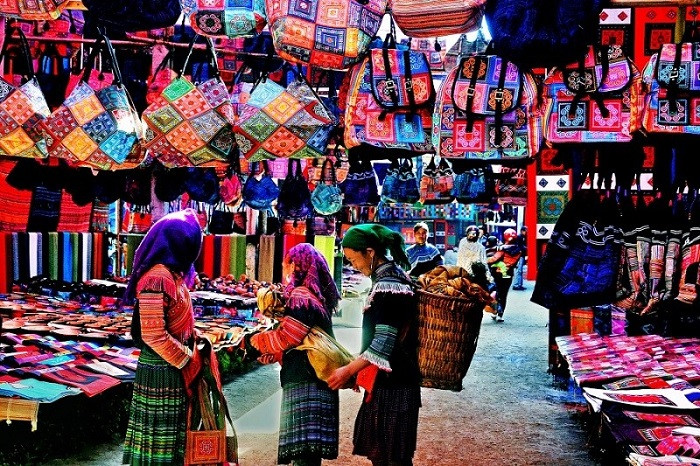
A Transformative Experience
Beyond the postcard-perfect vistas and cultural encounters, spring in Sapa offers something more profound: perspective. Standing amid ancient rice terraces that have fed generations, or sharing a meal with families who maintain traditions dating back centuries, visitors often find themselves reconsidering their relationship with the land, food, and community.
The region's dramatic landscapes have inspired poets, photographers, and painters for generations. As morning mist rises from valleys to reveal mountains emerging like islands in a cloud sea, it's easy to understand why. Spring in Sapa isn't merely a feast for the senses—it's an invitation to witness a way of life that moves in harmony with the seasons, where people have adapted to some of Vietnam's most challenging terrain through ingenuity, resilience, and profound cultural wisdom.
For those seeking more than just another destination to check off a list, Sapa in spring offers a journey that resonates long after the return home—a place where ancient traditions and breathtaking natural beauty create an experience that feels both timeless and fleeting, like the morning mist that embraces its mountains.