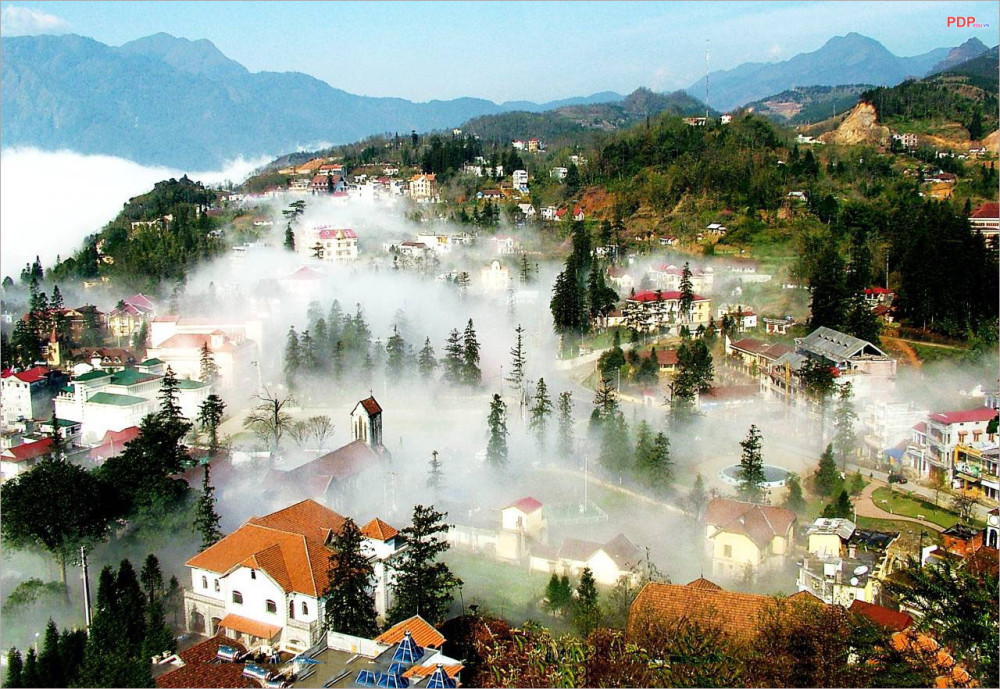
As the spring blossoms fade and June arrives, Sapa transforms yet again, unveiling a different but equally captivating face. Summer in this northern Vietnamese highland region—roughly spanning from May through August—offers visitors a unique experience characterized by vibrant green landscapes, dynamic weather patterns, and rich cultural encounters that differ significantly from other seasons.
.jpg)
A Landscape in Full Glory
Summer brings Sapa to its visual peak as the terraced rice fields reach their most stunning state. What began as tender shoots in spring now blanket the mountainsides in waves of brilliant emerald green. These iconic agricultural terraces—some dating back centuries—create a living masterpiece that changes with the light and weather. By late summer, the rice begins to yellow as harvest approaches, creating golden highlights across the verdant landscape.
The lush vegetation extends beyond rice fields. Summer rains nourish dense forests of bamboo, cardamom, and tropical hardwoods that cloak the lower slopes of the Hoàng Liên Son mountains. Ferns unfurl, mushrooms sprout from fallen logs, and moss carpets rocks along rushing streams—all creating an atmosphere of primordial abundance that contrasts sharply with the manicured agricultural terraces.
This season showcases Sapa's waterfalls at their most dramatic. The iconic Silver Waterfall (Thác Bạc) and Love Waterfall (Thác Tình Yêu) thunder with impressive force, their spray creating refreshing natural air conditioning on hot summer days. Lesser-known cascades hidden throughout the region reward adventurous hikers with private swimming holes and unspoiled natural beauty.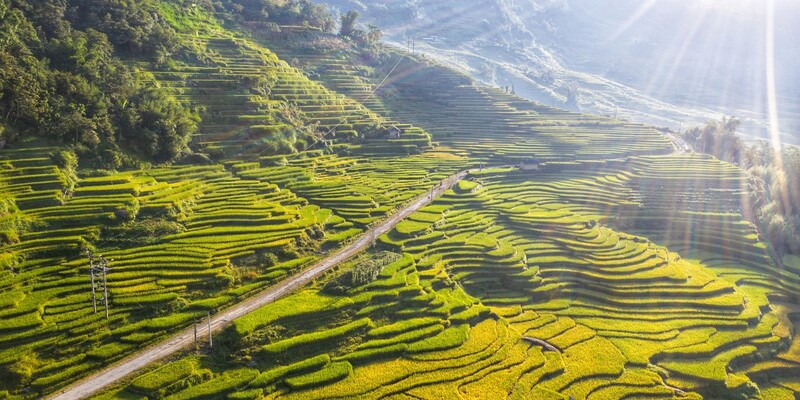
The Drama of Summer Weather
Summer weather in Sapa is characterized by its theatricality and rapid changes. Mornings often dawn clear and bright, with temperatures typically ranging from 20°C to 30°C (68°F to 86°F). As the day progresses, heat rising from the valleys draws moisture upward, creating dramatic cloud formations that curl around mountain peaks like dragons from Vietnamese mythology.
Afternoon thunderstorms are common, especially in July and August—Sapa's rainiest months. These downpours arrive with impressive intensity but often pass quickly, leaving behind refreshed air, glistening vegetation, and spectacular rainbows arching across valleys. The rapidly changing conditions create magical light effects as sunbeams pierce cloud gaps, spotlighting sections of the landscape while leaving others in shadow.
For photographers, these dramatic weather patterns offer extraordinary opportunities. The interplay of light, cloud, and landscape creates conditions impossible to replicate in other seasons. Many professional photographers specifically choose summer for capturing Sapa's most iconic and dynamic images.
This seasonal pattern also creates Sapa's famous "sea of clouds" phenomenon, where early risers can witness valleys filled with billowing white mist, with mountain peaks emerging like islands. Viewpoints such as Ô Quý Hồ Pass and Heaven's Gate become especially popular for witnessing this spectacle, which occurs most frequently during summer months.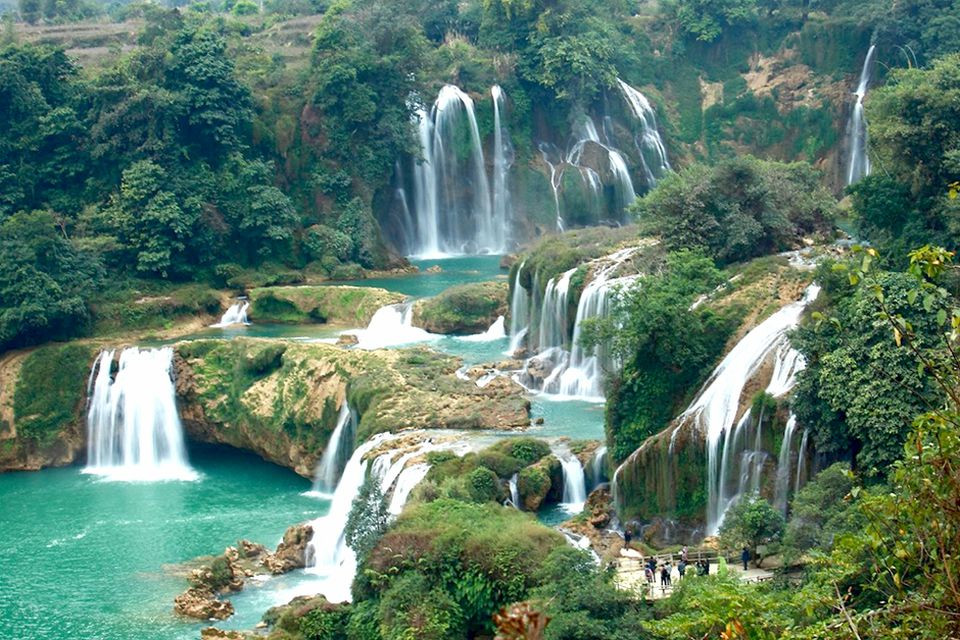
Agricultural Rhythms and Cultural Encounters
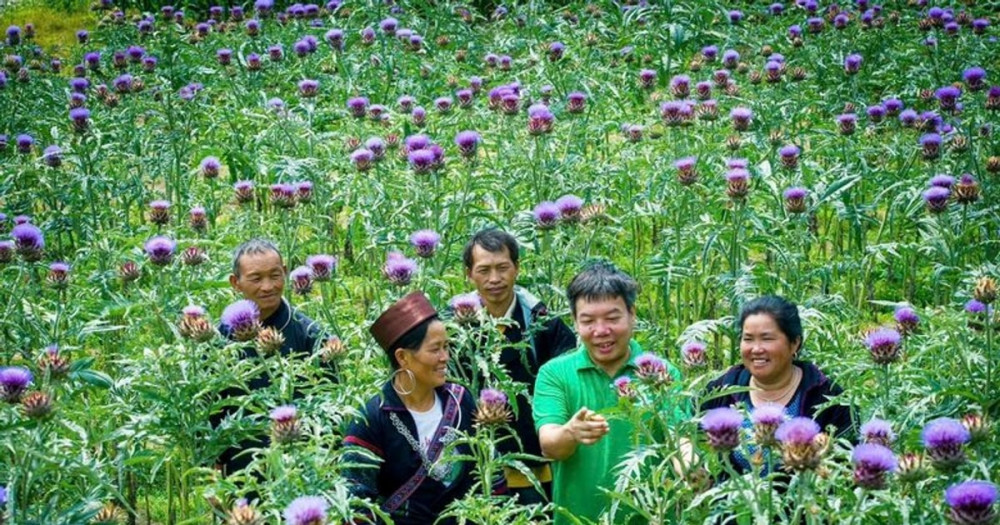
Summer is a time of intense agricultural activity, providing visitors unique insights into traditional farming practices. In villages surrounding Sapa, ethnic minority farmers—primarily H'mong, Red Dao, Tay, and Giay people—can be seen tending their terraced fields using techniques passed down through generations.
June and July see farmers engaged in maintaining irrigation systems, an engineering marvel that distributes mountain water efficiently across countless terraced levels. By August, early rice harvests begin in some areas, offering visitors the chance to witness (and sometimes participate in) traditional harvesting methods.
The summer growing season also means local markets overflow with fresh produce. Sapa Market becomes especially vibrant, with minority women in traditional dress bringing beans, corn, unique mountain herbs, and foraged mushrooms to sell or trade. These markets provide not just shopping opportunities but windows into authentic cultural and commercial exchanges that have characterized these mountains for centuries.
Summer also features several important cultural festivals. The Đền Thượng Festival (held on the 4th day of the 4th lunar month, usually in May) celebrates a local deity with impressive processions, while various ethnic groups hold ceremonies thanking local spirits for providing summer rains essential for successful harvests.
Trekking and Outdoor Adventures
For the adventurous traveler, summer offers excellent opportunities for village-to-village trekking—with some caveats. The lush vegetation creates stunning scenery along popular routes connecting villages like Cat Cat, Ta Van, and Lao Chai. These paths wind through bamboo forests, cross bubbling streams on stepping stones, and traverse the edges of terraced fields where farmers can be seen at work.
Summer's abundant rainfall means trails can become muddy and slippery, requiring proper footwear and a sense of adventure. However, experienced guides—often local H'mong or Red Dao people intimately familiar with the terrain—ensure safe passage while sharing cultural insights impossible to gain otherwise.
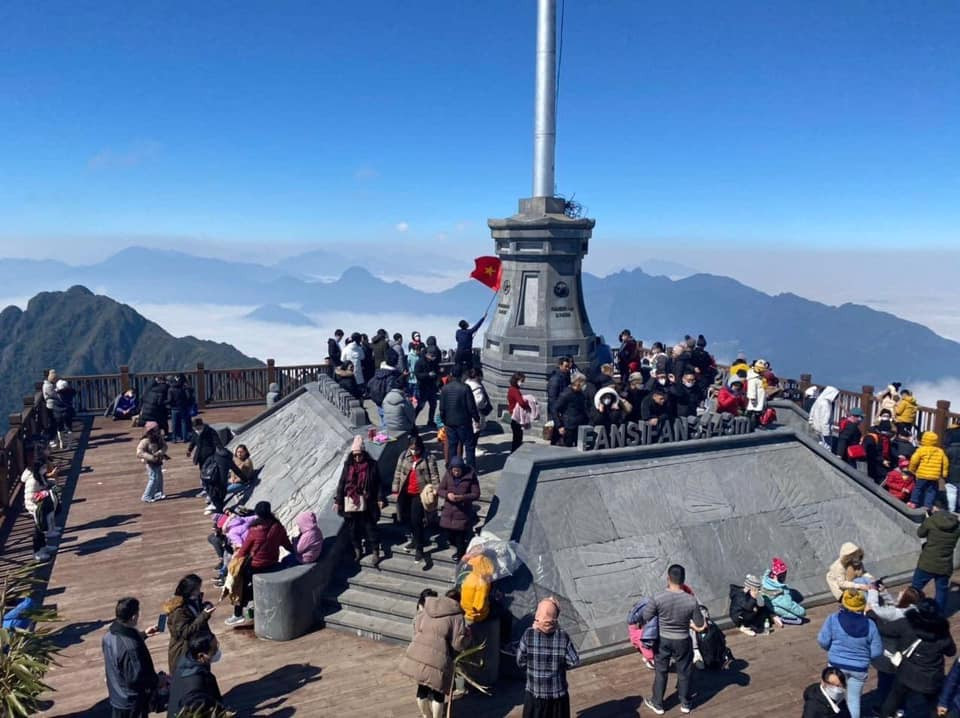
Mount Fansipan, Vietnam's highest peak at 3,143 meters, presents a different challenge in summer. While the cable car operates year-round (weather permitting), those wishing to trek to the summit should be prepared for potential storms and reduced visibility. Many experienced hikers actually prefer these conditions for the mystical atmosphere they create along the forested trails.
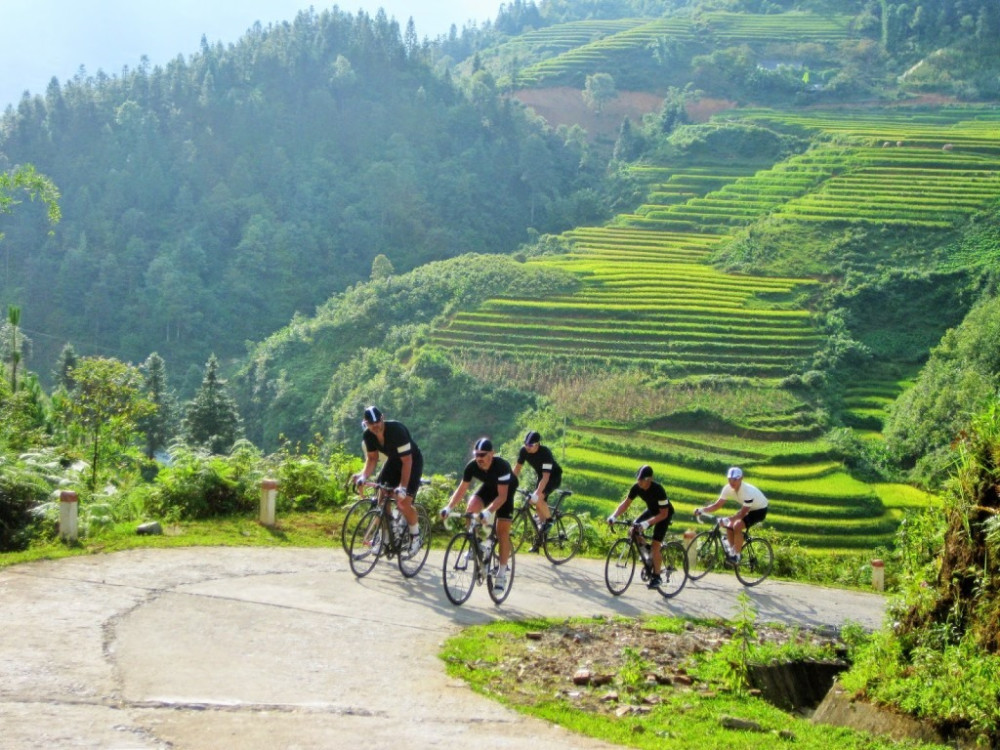
Mountain biking has emerged as another popular summer activity, with rental shops in Sapa town offering equipment for both guided and independent adventures on the region's network of roads and trails. The varied terrain provides options for every skill level, from gentle rides along valley floors to challenging descents from mountain passes.
Culinary Experiences
Summer brings a distinct set of flavors to Sapa's tables. The region's cool mountain climate—even in summer, temperatures rarely exceed 30°C (86°F)—enables cultivation of temperate vegetables alongside tropical varieties, creating unique culinary possibilities.
Local specialties during summer include dishes featuring fresh bamboo shoots, mountain mushrooms, and herbs foraged from the forests. Thắng cố (a traditional H'mong stew) takes on seasonal variations with the addition of summer vegetables, while salmon farmed in the region's cool streams appears on many menus as a refreshing option.
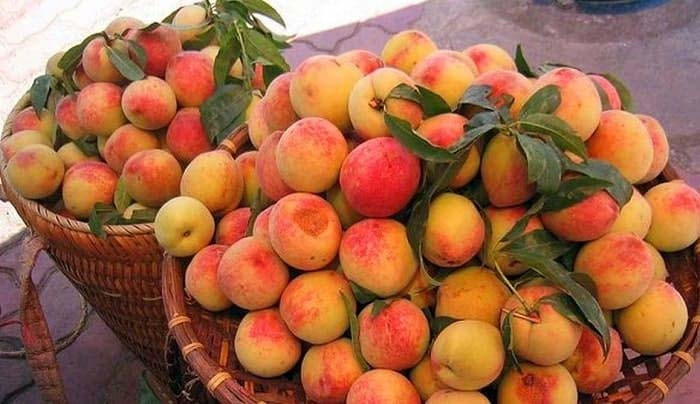
Summer fruits including peaches, plums, and pears from mountain orchards provide sweet counterpoints to savory dishes. Local chefs—both in restaurants and homestays—often incorporate these seasonal ingredients into both traditional recipes and contemporary fusion dishes that reflect Sapa's position at the crossroads of Vietnamese, Chinese, and indigenous culinary traditions.
Street food takes on a refreshing quality during summer months. Chè (Vietnamese sweet soups) featuring local fruits provide cooling relief on hot afternoons, while roadside stands serve mứt (preserves) made from seasonal berries and fruits. Evening barbecue stands emit enticing aromas as they grill skewers of marinated meat and summer vegetables.
Practical Considerations for Summer Visitors
Summer requires specific preparation for Sapa visitors. Lightweight, quick-drying clothing is essential, as are good rain gear and waterproof footwear for trekking. Many experienced travelers bring two sets of shoes to alternate as one pair dries after inevitable encounters with mud or sudden downpours.
Accommodation choices range from luxury hotels in Sapa town to homestays in surrounding villages. During summer, homestays offer particular advantages beyond cultural authenticity—traditional stilt houses designed for mountain conditions often provide natural cooling through raised floors and strategic airflow.
The summer season sees fewer international tourists than spring or fall, creating a more relaxed atmosphere despite an uptick in domestic Vietnamese travelers escaping urban heat. This combination means summer visitors often experience more authentic interactions while still enjoying good infrastructure and services.
Transportation options include overnight trains from Hanoi to Lao Cai followed by a bus or taxi to Sapa (total journey time approximately 9 hours), or direct buses making the trip in about 5-6 hours. During summer months, the road journey offers spectacular views but occasionally faces delays due to heavy rains or maintenance work.
Embracing Summer's Unique Rhythm
Summer in Sapa moves to a different rhythm than other seasons—one dictated by afternoon rains, agricultural cycles, and the ebbs and flows of mountain weather. Visitors who embrace this natural cadence find their experiences enriched by its unpredictability.
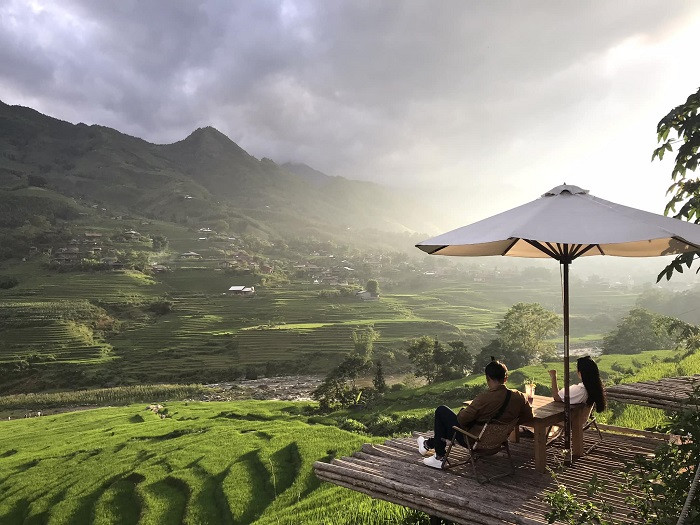
Morning hikes to catch the sunrise over misty valleys, afternoon retreats to observe thunderstorms from café verandas overlooking the mountains, and evenings spent in conversation around homestay firesides (yes, even in summer, mountain nights can be cool) create a natural pattern that connects travelers to both landscape and local life.
The season rewards flexibility and spontaneity. A planned trek might be postponed due to heavy rain, revealing instead an unexpected opportunity to learn traditional crafts from homestay hosts or join an impromptu local celebration. Many travelers find these unplanned experiences become their most treasured memories.
A Different Kind of Beauty
Summer reveals a side of Sapa that differs dramatically from the delicate spring blossoms or the golden autumn harvest. Its beauty is more primal and dynamic—a living landscape in continuous transformation. The terraced fields become mirrors after rainfall, reflecting cloud-studded skies. Afternoon mists cling to mountainsides like diaphanous veils. Thunderclouds build dramatic castles in the sky before releasing their bounty onto grateful fields.
This is Sapa at its most alive—pulsing with growth, change, and natural drama. For travelers seeking to experience the raw vitality of these mountains, summer offers rewards unavailable in any other season. The occasional discomforts of rain and mud become small prices to pay for witnessing such verdant splendor and dynamic natural theater.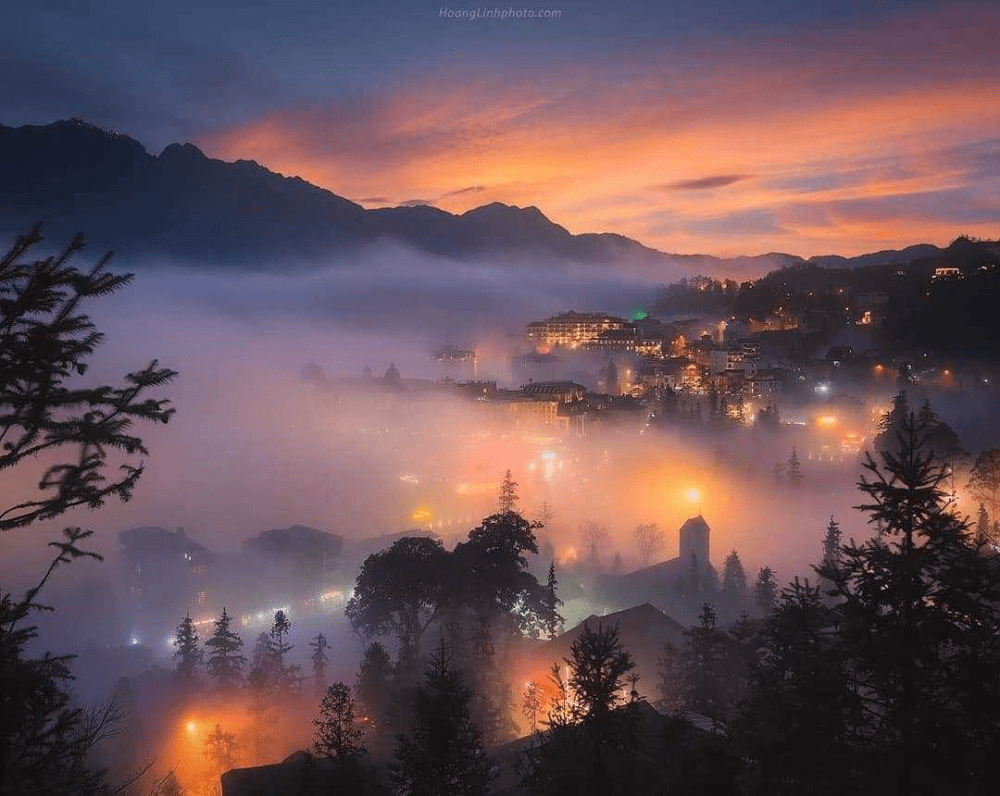
Cultural Immersion and Connection
Perhaps summer's greatest gift is the opportunity for deeper cultural immersion. With fewer tourists crowding popular spots, relationships with local people often develop more naturally. Rainy afternoons may find visitors learning embroidery techniques from H'mong women, helping prepare traditional meals in Dao households, or simply engaging in lengthy conversations aided by improvised sign language and shared laughter.
These encounters reveal the resilience and ingenuity of highland peoples who have thrived in these mountains for centuries. Their agricultural wisdom, architectural adaptations, and cultural practices all demonstrate sophisticated responses to the specific challenges and opportunities of Sapa's environment. Summer visitors witness these traditions not as museum pieces but as living, practical solutions to mountain life.
.jpg)
A Season of Contrasts
Summer in Sapa is defined by its contrasts—between brilliant sunshine and dramatic storms, between human-crafted terraces and wild forest growth, between ancient traditions and evolving modern influence. These juxtapositions create a dynamic environment that challenges visitors to see beyond postcard perfection to appreciate a more complex and authentic beauty.
For those willing to embrace occasional rain showers and muddy paths, summer in Sapa offers extraordinary rewards: landscapes of unparalleled lushness, cultural experiences of remarkable depth, and memories infused with the vivid intensity that only this season can provide. In these northern Vietnamese highlands, summer reveals not just a destination but a complete sensory experience—one that engages visitors with the fundamental rhythms of mountain life and leaves them forever changed by its verdant magic.