As November's golden fields give way to December's cooler embrace, Sapa transforms into a realm that challenges conventional perceptions of Vietnam. Winter in this northern highland region—spanning roughly from December through February—presents visitors with an extraordinary contrast to tropical Vietnam. This misty, occasionally snow-dusted landscape offers a serene beauty and cultural authenticity that sets winter apart as perhaps Sapa's most underrated season.
-min.jpg)
A Landscape of Ethereal Mists and Occasional Snow
Winter drapes Sapa in an atmosphere of mystique. Morning fog often lingers throughout the day, creating an otherworldly ambiance as mountain peaks appear and disappear behind shifting veils of mist. This ethereal quality transforms familiar landscapes into dreamlike vistas that photographers find irresistibly moody and evocative.
The terraced fields, now dormant after the autumn harvest, reveal their sculptural essence. Without the distraction of crops, winter showcases the remarkable engineering and artistry of these ancient agricultural structures. The terraces' curved lines stand in stark relief against the misty backdrop, particularly beautiful when outlined by frost on colder mornings.
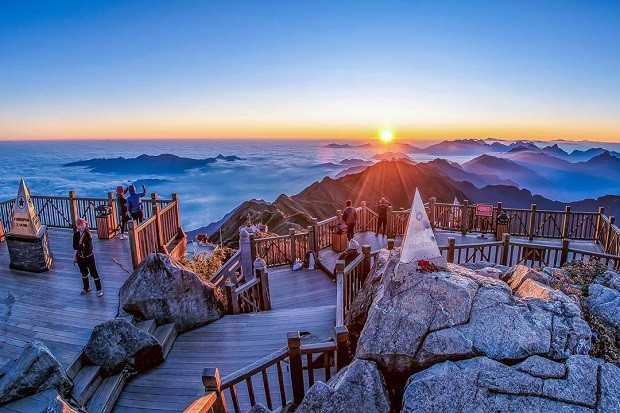
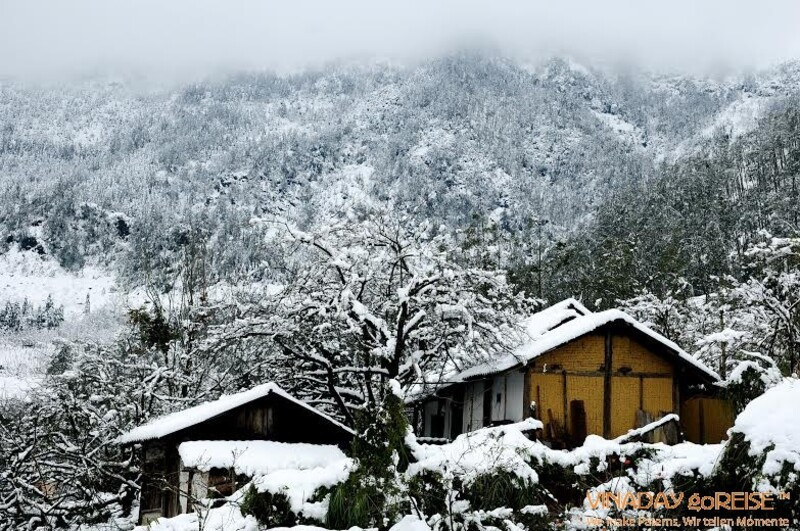
While snow isn't guaranteed every winter, when it does arrive—typically at higher elevations above 1,800 meters—it creates magical scenes rarely associated with Vietnam. Mount Fansipan receives the most consistent snowfall, sometimes accumulating several inches at its 3,143-meter summit. The sight of snow-dusted pagodas at the mountain's peak creates surreal images that blend Southeast Asian architecture with Alpine atmospherics.
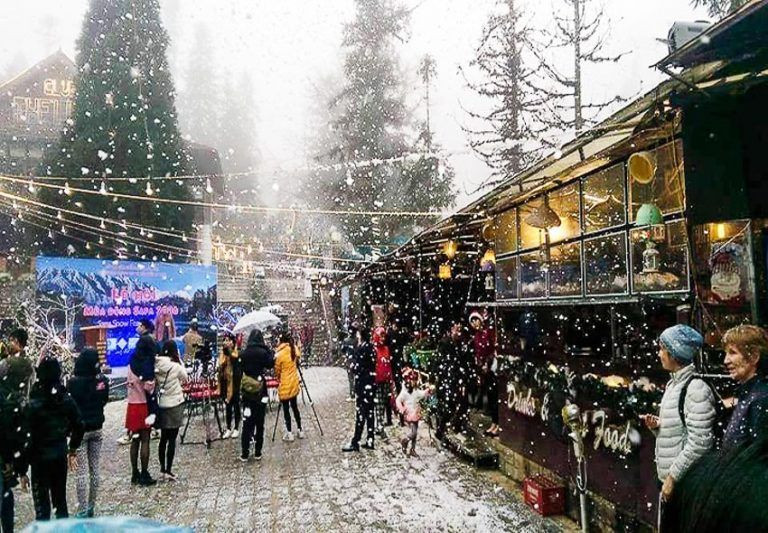
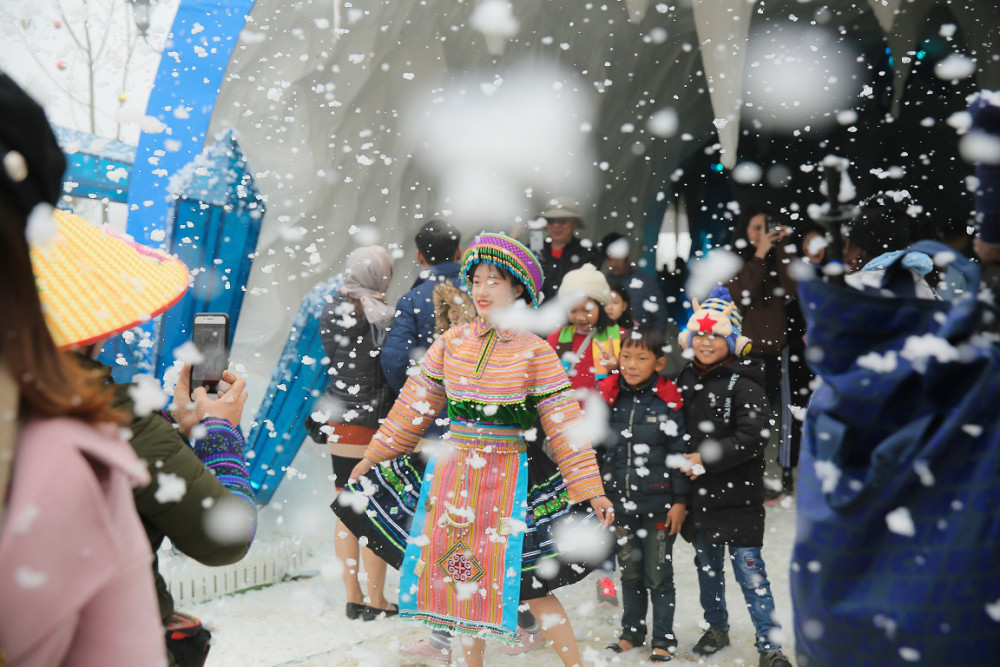
Even at lower elevations, including Sapa town (around 1,600 meters), occasional light snow or ice transforms the landscape every few years. These events become celebratory occasions for both locals and Vietnamese tourists, many experiencing snow for the first time. The contrast of white snow against traditional colorful minority clothing creates unforgettable visual juxtapositions.
.jpg)
The Rhythm of Winter Life
Winter reveals a more authentic pace of mountain life after the harvest rush concludes and tourist numbers diminish. The agricultural cycle shifts to maintenance activities—repairing terraces, preparing tools, and tending to livestock brought down from higher pastures for the winter months.
In villages surrounding Sapa, ethnic minority families focus on indoor activities during colder periods. Women use these months to create their finest textiles—intricate embroidery, batik, and indigo-dyeing processes that require painstaking attention. Visitors to homestays often find themselves welcomed into rooms where multigenerational groups of women work on elaborate pieces destined for future ceremonies or, increasingly, for sale to appreciative tourists.
Men typically engage in woodworking, basket weaving, or blacksmithing during winter. These traditional crafts, passed down through generations, produce both functional items for daily use and increasingly, artistic pieces that supplement family incomes. The winter months allow for the creation of more complex items that require extended focus impossible during busy agricultural seasons.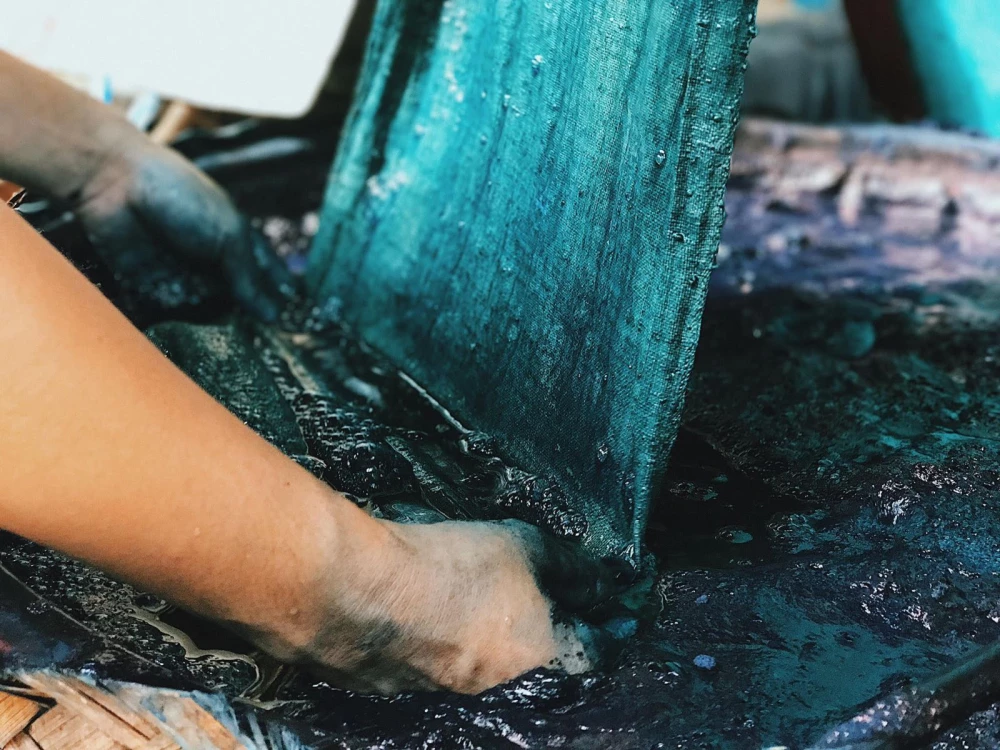
Unique Winter Weather Patterns
Winter temperatures in Sapa fluctuate significantly, with average daytime readings typically ranging from 8°C to 15°C (46°F to 59°F), while nights commonly drop to 3°C to 5°C (37°F to 41°F). Occasional cold fronts from China can push temperatures below freezing, particularly at higher elevations. This variable climate creates distinct weather zones even within short distances—valleys may remain relatively mild while peaks experience freezing conditions.
The season divides roughly into two phases. December and early January often bring the coldest temperatures but relatively clear skies between foggy periods. Late January through February increasingly features a persistent misty condition locals call "drizzle weather" (mùa phùn)—not quite rain but a fine moisture that saturates the air and can continue for days.
This atmospheric moisture creates one of winter's most spectacular phenomena—ice flowers. When temperatures drop below freezing at higher elevations, moisture in the air crystallizes on tree branches, pine needles, and even tall grass, creating delicate ice formations that glisten magically when sunlight breaks through the clouds.
Cultural Experiences and Winter Festivals
Winter hosts Vietnam's most important cultural celebration—Tết Nguyên Đán (Lunar New Year)—falling between late January and mid-February depending on the lunar calendar. While major cities may be better known for elaborate Tết celebrations, experiencing this holiday in Sapa offers unique insights into how mountain communities observe these traditions.
Preparations begin weeks in advance, with families thoroughly cleaning homes, preparing special foods, and creating new clothing—particularly important among H'mong communities where women craft elaborate new outfits for family members to wear during the celebrations. Markets buzz with activity as people purchase ingredients for special dishes and decorative items for homes.
The actual Tết celebration spans several days, during which visitors might observe traditional rituals including ancestor worship ceremonies, special meals featuring pork and mountain herbs, and community gatherings with traditional music and dance. Many families invite guests to join these celebrations, offering a privileged glimpse into customs rarely witnessed by outside observers.
Beyond Tết, winter features several ethnic-specific celebrations. The "Going to the Field" (Xuống Đồng) festival in late January or early February sees farming communities performing rituals to ensure fertility for the coming agricultural year. The Lao Chai village "Earth Deity" celebration in December features unique musical performances and ritual offerings to spirits believed to protect the community.
Winter Cuisine: Hearty Comfort Foods
Winter transforms Sapa's culinary landscape toward heartier, warming dishes perfectly suited to the cooler climate. Thắng cố—the region's signature meat stew—reaches its peak popularity, traditionally prepared in large cauldrons over open fires during winter gatherings. This richly spiced dish combines various meats with mountain herbs and medicinal ingredients believed to provide strength during colder months.
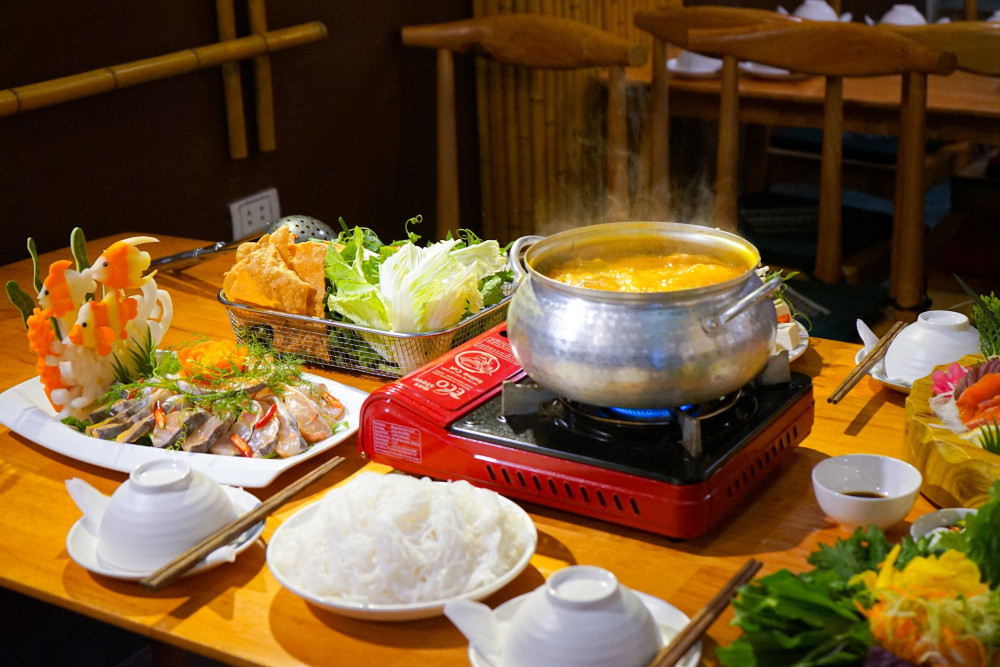
Stone-pot cooking (lẩu) becomes ubiquitous, with restaurants and homestays offering variations featuring locally raised trout, foraged mushrooms, and mountain vegetables. These communal hot-pot meals create natural gathering points for conversation and cultural exchange on cold evenings.
Grilled dishes gain prominence, with street vendors offering skewers of marinated meat and mountain sausages cooked over charcoal braziers that provide welcome warmth to passersby. Steamed corn and sweet potatoes, simple but satisfying, become popular snacks available from vendors throughout Sapa town.
Winter also brings special foods associated with Tết, including bánh chưng (square sticky rice cakes wrapped in dong leaves) and dried mountain fruits preserved from the autumn harvest. Many ethnic minority families produce these items using techniques specific to their cultural traditions, offering visitors unique regional variations on Vietnamese holiday classics.
Local rice wine (rượu) serves dual purposes during winter—its warming properties make it particularly welcome during cold evenings, while its central role in hospitality customs ensures its presence at winter gatherings and ceremonies. Homestay experiences often include invitations to join families around the hearth fire, sharing rice wine from communal cups while exchanging stories late into the evening.
Trekking in the Winter Landscape
Winter transforms trekking experiences, offering distinct advantages for adventurous visitors willing to brave occasionally challenging conditions. The absence of summer's dense vegetation opens up expanded views across valleys, while reduced visitor numbers mean more authentic experiences in villages along trekking routes.
Popular paths connecting communities like Cat Cat, Ta Van, and Lao Chai remain accessible throughout winter, though their character changes significantly. Summer's lush jungle paths transform into more open routes, sometimes revealing panoramic views previously hidden by foliage. Morning frost often creates glistening effects along trail edges, particularly in shadowed areas where ice may persist throughout the day.
Trekking during winter requires proper preparation. Layered clothing becomes essential, as temperature fluctuations between sheltered valleys and exposed ridges can be significant. Waterproof footwear withstands the frequently damp conditions, while trekking poles provide valuable stability on occasionally icy sections of trail.
For the most adventurous visitors, winter offers the closest thing Vietnam has to Alpine experiences. Mount Fansipan expeditions during clearer periods (more common in December and early January) challenge trekkers with potential ice and snow at higher elevations. While the cable car operates year-round, traditional multi-day trekking routes require proper equipment and experienced guides during winter months.
Photography in Winter Light
For photographers, winter presents Sapa's most challenging but potentially rewarding season. The quality of light—when it breaks through the mist—takes on a crystalline clarity unique to the season. Morning and evening golden hours can produce extraordinary effects as sunlight filters through layers of mist or illuminates frost-covered landscapes.
The famous "sea of clouds" effect reaches its peak in winter, particularly during early mornings when temperature inversions trap cloud layers in valleys below viewing points like the Trạm Tôn pass or Fansipan mountain. These dramatic formations—appearing like white oceans from which mountain peaks emerge like islands—create other-worldly vistas beloved by landscape photographers.
The season also offers compelling human subjects as ethnic minority people don their most elaborate clothing layers. H'mong women wrapped in intricately embroidered indigo blankets, Red Dao women in red headdresses against misty backgrounds, and children wearing miniature versions of traditional clothing with bright accessories all create striking portraits reflecting cultural resilience against the winter elements.
Winter markets provide particularly rich photographic settings as colorfully dressed vendors gather around warming fires, negotiate sales of winter goods, and prepare seasonal foods. The atmosphere in these markets feels more authentic than during high tourist seasons, with transactions and social exchanges primarily occurring between local people rather than focusing on tourist souvenirs.
Accommodation and Comfort Considerations
Winter transforms the accommodation experience in Sapa, with heating systems becoming essential considerations rather than luxury amenities. Sapa town offers numerous hotels and guesthouses with proper heating, ranging from international-standard properties with central heating to smaller establishments relying on electric heaters or wood-burning stoves.
Homestay experiences in surrounding villages take on special significance during winter. Traditional stilt houses of the Tay and Giay people, or the earthen-walled homes of certain H'mong communities, employ time-tested designs for winter comfort. Central hearth fires serve as both cooking facilities and heating sources, with family and guests gathering around these natural focal points during cold evenings.
The winter season sees significantly reduced tourist numbers, creating opportunities for discounted accommodation rates and more personalized service. Many higher-end properties offer special winter packages including transportation, meals, and guided experiences at fractions of their high-season prices, making winter an excellent option for budget-conscious travelers seeking comfort.
This reduced occupancy also changes the social dynamic of homestays. With fewer guests, host families often incorporate visitors more fully into household activities and conversations, creating deeper cultural exchange opportunities. Many winter visitors report these intimate interactions as highlights of their Sapa experience—opportunities to genuinely connect with local people rather than experiencing somewhat performative cultural demonstrations arranged for larger groups.
Embracing Winter's Unique Gifts
Winter in Sapa requires a shift in expectations from visitors accustomed to Vietnam's tropical image. Those willing to embrace this alternative experience find rewards unavailable in other seasons: misty mountain landscapes straight from traditional Asian paintings, authentic cultural encounters with communities going about their normal winter activities, and the tranquil atmosphere that descends when tourist crowds dissipate.
The season particularly rewards flexible travelers. Weather conditions can change rapidly, with misty mornings sometimes yielding to surprisingly clear afternoons or vice versa. This unpredictability becomes part of the experience—teaching visitors to adapt plans according to mountain conditions just as local residents have done for generations.
For those seeking immersive cultural experiences rather than merely scenic views, winter offers unparalleled opportunities. With agricultural responsibilities reduced, local people often have more time for interaction, craft demonstrations, or sharing stories. The communal nature of winter life—gathering around fires, preparing holiday foods, or creating textiles together—naturally incorporates interested visitors into authentic daily activities.
.jpg)
Markets and Shopping Experiences
Winter transforms Sapa's markets beyond just product offerings. The famous "love market"—historically a gathering where young people from various ethnic groups would meet potential partners through traditional singing and courtship rituals—takes on a more authentic character during winter months, particularly around Tết celebrations. While summer might find these cultural displays somewhat staged for tourists, winter versions more genuinely reflect continuing cultural practices.
The main Sapa market shifts its inventory toward winter necessities: thick blankets in traditional patterns, hand-knitted woolen hats and gloves, and warming local foods. More significant than the products themselves is the change in atmosphere—with fewer tourists, the market reverts to its primary function as a commercial and social hub for local communities rather than a tourist attraction.
For souvenir hunters, winter offers advantages beyond smaller crowds. Textile quality typically peaks during this season as artisans have time to create their finest work. Embroidered pieces, batik fabrics, and indigo-dyed items produced during winter months often feature more elaborate designs and higher quality execution than mass-produced pieces rushed during high tourist seasons.
.jpg)
Transportation Considerations
Winter presents some additional transportation considerations, though rarely serious obstacles. The road between Lao Cai and Sapa occasionally experiences fog-related delays or, during rare freezing events, temporary closures until ice melts or is cleared. These events typically last only a few hours and mainly affect early morning travel.
The overnight train from Hanoi to Lao Cai continues operating reliably throughout winter, providing the most comfortable option for reaching the region. The train's heated carriages and sleeping berths offer particularly welcome comfort during colder months, while the morning arrival allows passengers to witness spectacular dawn views of mist-filled valleys during the bus journey from Lao Cai station up to Sapa.
For travelers with limited time, direct buses from Hanoi provide faster transit (approximately 5-6 hours) but require adaptation to occasionally winding roads through misty conditions. Newer highways have significantly improved this journey in recent years, making it increasingly viable even during winter months.
.jpg)
A Season of Reflection and Authenticity
Perhaps winter's greatest gift to visitors is the opportunity to experience Sapa at its most authentic. Without the performance aspect that inevitably accompanies high tourist seasons, winter reveals mountain communities simply living their lives according to seasonal rhythms established over centuries.
The misty atmosphere creates natural conditions for reflection—both literally, as morning frost transforms rice terraces into mirrors reflecting the mountains, and figuratively, as the quieter pace encourages contemplation. Many visitors report that winter Sapa provides an almost meditative experience that contrasts sharply with Vietnam's typically bustling tourist destinations.
For those seeking photographs and memories beyond the standard postcard images, winter offers Sapa's most distinctive face. The combination of ethereal mists, occasional snow, traditional winter clothing, and cultural celebrations creates a vision of Vietnam rarely represented in travel media—a hidden season that rewards those willing to experience these mountains at their most mysterious and authentic.
As February winds down and the first hints of spring appear, winter's misty embrace gradually loosens. But for those who experienced Sapa during these atmospheric months, the memory of mountain peaks emerging from swirling clouds, the warmth of hearth fires in village homes, and the taste of steaming thắng cố shared with new friends will remain as a more nuanced understanding of Vietnam's remarkable cultural and geographic diversity.