
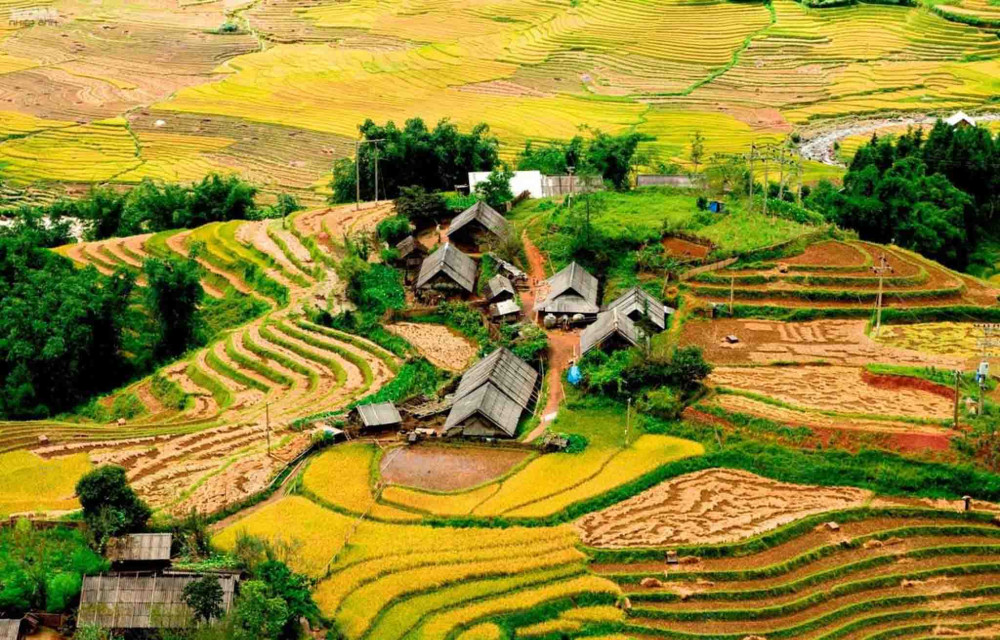
Nestled approximately 10 kilometers from Sapa town in northwestern Vietnam, Ta Van village sits like a jewel in the center of the spectacular Muong Hoa Valley. This enchanting settlement offers visitors a rare opportunity to experience authentic highland culture while surrounded by some of Vietnam's most breathtaking landscapes. Far more than just a stopping point on trekking routes, Ta Van has emerged as a destination in its own right—a living community where traditional ways of life continue alongside thoughtful tourism development.
A Village of Cultural Richness
Ta Van is primarily home to the Giay (Dzay) ethnic minority, with significant populations of Red Dao and H'mong people living in upper sections of the village and surrounding hamlets. This cultural diversity creates a fascinating mosaic of traditions, architecture, agricultural practices, and handicrafts within a relatively small area.
The Giay people, who form the majority in Ta Van's lower sections, originated from southern China centuries ago and maintain distinctive cultural traditions. Their wooden stilt houses—typically constructed with two staircases (one for family, another for guests) and centrally positioned altars for ancestor worship—represent sophisticated adaptations to mountain environments. These structures keep living spaces dry during rainy seasons while allowing airflow in summer and incorporating natural insulation for winter months.
Traditional Giay clothing features indigo-dyed garments with distinctive embroidery patterns that differ subtly from those of neighboring ethnic groups. While daily life increasingly includes modern elements, festival occasions still see villagers donning traditional attire, particularly during important celebrations like Tết (Lunar New Year) and harvest ceremonies.
Upper Ta Van and surrounding hamlets include communities of Red Dao people, recognized by women's distinctive red headdresses and elaborate embroidery, alongside H'mong families whose indigo batik textiles with vibrant appliqué work represent some of Vietnam's most sophisticated fabric arts.
A Landscape of Breathtaking Beauty
Ta Van's setting contributes significantly to its appeal. The village stretches along the Muong Hoa River as it winds through a valley surrounded by cascading rice terraces that rank among Vietnam's most spectacular agricultural landscapes. These terraces—built over centuries through countless generations of farmer ingenuity—transform with the seasons, creating ever-changing vistas that draw photographers from around the world.
Spring (February-April) brings newly planted terraces shimmering with irrigation water that reflects sky and clouds. Summer (May-August) transforms the landscape into vibrant emerald waves as rice plants mature. Autumn (September-October) delivers the famous golden harvest season when terraces turn to honey-colored steps. Even winter (November-January) offers its own stark beauty as bare terraces reveal their sculptural essence against misty mountain backgrounds.
The diverse topography surrounding Ta Van includes bamboo forests, hidden waterfalls accessible via local trails, and elevated viewpoints offering panoramic vistas across the entire valley. The imposing peaks of the Hoang Lien Son mountain range form a dramatic backdrop, with Mount Fansipan—Indochina's highest summit at 3,143 meters—visible on clear days.
Daily Life and Agriculture
Agriculture remains the foundation of Ta Van's economy and cultural identity. Rice cultivation dominates, with both paddy fields along the valley floor and the iconic terraced fields climbing the surrounding mountainsides. Traditional farming methods—many unchanged for generations—are still practiced alongside selective adoption of modern techniques.
Water buffalo remain essential partners in agriculture, used for plowing terraced fields too steep for mechanized equipment. These animals represent significant investments for families, who often name their buffalo and develop strong bonds with these working animals crucial to their livelihoods.
Beyond rice, villagers maintain diverse crops including corn, vegetables, and fruit trees. Medicinal herb gardens are common near Giay and Red Dao homes, reflecting sophisticated traditional knowledge of botanical remedies. Smaller livestock including pigs, chickens, and ducks are typically raised beneath or near stilt houses in integrated systems that efficiently utilize limited space.
Agricultural activities follow a seasonal calendar peppered with traditional ceremonies marking key transitions—planting, first irrigation, and harvest all have associated rituals that blend animist traditions with influence from Confucian, Buddhist, and other belief systems that have reached these mountains over centuries.
Community-Based Tourism in Practice
Ta Van represents one of Vietnam's most successful examples of community-based tourism development. Unlike some destinations where tourism arrived suddenly with minimal local involvement, Ta Van's engagement with visitors has evolved more gradually and thoughtfully, with significant community participation in decision-making and benefit distribution.
Homestays form the cornerstone of this approach. Numerous families have adapted traditional stilt houses to accommodate guests while maintaining authentic architectural elements and family living patterns. These arrangements provide visitors genuine cultural immersion while generating income that remains within the community rather than flowing to external investors.
Standardized pricing systems for homestays, guided services, and handicrafts—often coordinated through village associations—have helped minimize negative competitive practices while ensuring fair compensation for community members involved in tourism. Many homestays operate on rotation systems during quieter seasons to distribute visitor income equitably among participating families.
Local guides, predominantly young people from Ta Van and surrounding communities, provide crucial cultural interpretation while creating meaningful employment that doesn't require migration to urban centers. These guides typically speak multiple languages—their native tongue, Vietnamese, and often impressive English or French acquired through both formal education and practical interaction with international visitors.
Visitor Experiences
Ta Van offers a range of experiences for visitors seeking different levels of engagement:
Homestay immersion provides the most authentic experience, with guests sleeping in traditional stilt houses, often on mattresses with mosquito nets arranged in semi-private areas of family homes. Evening meals typically become social occasions where visitors join family members around low tables for shared dishes featuring local ingredients and traditional recipes. Many hosts offer activities including rice wine tasting, traditional music demonstrations, or hands-on participation in seasonal agricultural tasks.
Guided cultural walks through the village provide insights into daily life, architectural traditions, and agricultural practices. These typically include visits to traditional homes, craft demonstrations, and explanations of spiritual practices evident in household altars and community sacred spaces.
Trekking opportunities abound, with Ta Van serving as either starting point or overnight stop on routes ranging from easy valley-floor walks to challenging mountain ascents. Popular routes connect to neighboring villages including Lao Chai, Hau Thao, and Giang Ta Chai, each offering distinctive cultural highlights and landscape features.
Craft workshops allow visitors to learn traditional skills including indigo dyeing, batik techniques, hemp processing, and basket weaving. These interactive experiences typically last several hours and yield take-home items while providing deeper appreciation for the sophistication of traditional craftsmanship.
Cooking classes have emerged as popular activities, with several homestays offering instruction in traditional dishes using local ingredients, often beginning with gathering herbs from family gardens or visits to the local market.
Seasonal Variations and Festivals
Ta Van's experience changes dramatically with the seasons, making repeat visits rewarding for those able to return at different times of year:
Spring brings planting season, when families prepare fields and transplant young rice seedlings. This labor-intensive period offers insights into agricultural techniques and often features ceremonies asking local spirits for favorable growing conditions. Peach and plum blossoms add splashes of color to the landscape, while warming temperatures create ideal trekking conditions.
Summer showcases lush growth and vibrant green landscapes. Occasional afternoon thunderstorms create dramatic light conditions beloved by photographers, while the valley's elevation provides relief from lowland heat. Summer festivals include the "Going to the Field" ceremony when communities celebrate the growing crop and perform rituals to protect it from natural disasters.
Autumn delivers the golden harvest season, when families work together cutting, bundling, and threshing rice. This visually spectacular period features the most comfortable trekking weather and clearest mountain views. Harvest festivals include thanksgiving ceremonies, buffalo fights in some communities, and celebrations with traditional music and dance performances.
Winter brings cooler temperatures and occasional morning frost at higher elevations. The post-harvest period traditionally focuses on textile production, home repairs, and social activities impossible during busy agricultural seasons. Tết preparations become increasingly visible from January, with families creating special foods, new clothing, and elaborate decorations for this most important annual celebration.
Sustainable Development Challenges
Ta Van faces the universal challenge of balancing economic development with cultural and environmental preservation. The community has navigated this tension more successfully than many destinations, implementing several noteworthy approaches:
Infrastructure development has proceeded cautiously, with emphasis on maintaining traditional architectural styles even as modern amenities like reliable electricity, improved water systems, and internet connectivity have been introduced. Concrete structures with modern designs remain relatively rare in the village core, preserving the authentic visual character valued by both residents and visitors.
Waste management initiatives include community-led plastic reduction campaigns, recycling programs, and visitor education efforts. Several homestays have pioneered sustainable practices including water conservation systems, solar heating, and natural building materials that reduce environmental impact while demonstrating compatibility between traditional wisdom and modern ecological awareness.
Cultural preservation efforts include documentation of traditional knowledge, regular cultural performances that maintain music and dance traditions, and handicraft associations that ensure traditional techniques pass to younger generations. Local schools incorporate cultural heritage into curricula, helping children develop pride in their ethnic identity alongside contemporary education.
Agricultural sustainability initiatives support farmers maintaining traditional crop varieties and farming methods, recognizing these practices not merely as cultural artifacts but as sophisticated adaptations to mountain environments with continuing relevance. Several programs have helped families market traditional crop varieties and organic products to visitors and external markets, providing economic incentives for maintaining agricultural biodiversity.
Practical Visitor Information
Ta Van is accessible via several transportation options:
Trekking routes from Sapa town provide the most immersive approach, with guided walks typically taking 3-4 hours along paths that pass through terraced landscapes, bamboo forests, and neighboring villages. These routes vary in difficulty but generally require moderate fitness and appropriate footwear, particularly during rainy periods when paths can become slippery.
Motorized transportation options include private taxi services (approximately 30 minutes from Sapa), motorcycles for rent in Sapa town, and occasionally shared minivans during peak tourist seasons. The road quality has improved significantly in recent years, though the final sections into the village center remain unpaved in some parts.
Accommodation options range from simple family homestays to more developed facilities offering private rooms within traditional structures. Most accommodations should be reserved in advance, particularly during high seasons (September-November and February-April). Pricing typically includes dinner and breakfast featuring local cuisine.
Communications have improved dramatically, with mobile coverage now reliable throughout the valley and many homestays offering Wi-Fi. However, visitors should download maps and essential information before arrival as connectivity can still be intermittent during weather events.
Seasonal considerations include potentially muddy conditions during summer rainy periods (June-August) and cooler temperatures requiring warm clothing during winter months (December-February). The most reliable weather typically occurs during autumn (September-November), while spring (March-May) offers stunning landscapes but occasionally lingering winter mist.
Beyond Tourism: The Authentic Community
What distinguishes Ta Van from many tourism-oriented villages is the authentic community life that continues independent of visitor activities. Morning markets still primarily serve local needs rather than tourist souvenirs. Religious ceremonies follow traditional calendars rather than being scheduled for visitor convenience. Agricultural decisions reflect centuries of accumulated wisdom rather than external trends.
This authenticity creates both the challenge and reward of visiting Ta Van. Cultural encounters happen organically rather than through staged performances. Visitors willing to approach the experience with respect, curiosity, and flexibility find themselves welcomed into a community where traditional values of hospitality remain central to cultural identity.
Many visitors develop lasting connections with host families, returning multiple times or maintaining communication across years. These relationships often evolve from commercial transactions into genuine friendships that transcend language barriers and cultural differences. Such connections represent tourism at its most meaningful—an exchange that enriches both visitor and host while supporting cultural continuity and environmental stewardship in one of Vietnam's most extraordinary landscapes.
Looking Forward: Ta Van's Future
As Vietnam's tourism industry continues developing, Ta Van stands at an important juncture. The very qualities that attract visitors—authentic culture, traditional architecture, spectacular natural landscapes—could be compromised by excessive or inappropriate development. Yet tourism also provides economic alternatives to outmigration and offers younger generations options to remain in their community while participating in the modern economy.
Community leaders, government agencies, and thoughtful tourism operators increasingly recognize this delicate balance. Emerging initiatives focus on capacity building for local entrepreneurs, developing higher-value experiences rather than increasing visitor numbers, and strengthening regulations that preserve the village's essential character.
For visitors seeking authentic engagement with northern Vietnam's highland cultures and landscapes, Ta Van offers a remarkable opportunity—not merely to observe traditions as museum pieces but to experience living culture adapting to contemporary realities while maintaining essential connections to ancestral wisdom, communal values, and harmonious relationships with the spectacular mountain environment that has shaped these communities for countless generations.